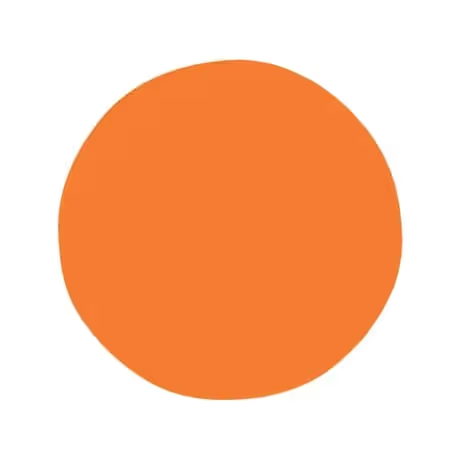
Tiffany Blue
Meet Tiffany Blue, #0ABAB5. This distinctive cyan strikes a perfect balance between green and blue, creating a vibrant yet soothing hue. Its bright, aquatic quality makes it an instantly recognizable and memorable choice for any design palette, commanding attention without being overwhelming.
What color is Tiffany Blue?
Tiffany Blue is a specific shade of light cyan, characterized by its cool temperature and a noticeable green undertone.
Its high saturation gives it a lively quality, yet it remains gentle on the eyes, striking a balance between energy and tranquility.
What is the meaning of Tiffany Blue?
Chosen by founder Charles Lewis Tiffany for the cover of his company's annual collection of jewels, Tiffany Blue has become an international symbol of elegance and sophistication.
The distinctive color evokes feelings of excitement and joy, reminiscent of the thrill of receiving a special gift in its iconic packaging.
How can I effectively use Tiffany Blue (#0ABAB5) in my UI design?
When working with Tiffany Blue (#0ABAB5), think of it as a powerful accent. It excels in drawing attention to key elements like buttons, icons, and interactive states. To ground its vibrancy, pair it with a neutral foundation of whites, light grays, or even charcoal. For a bolder approach, consider a split-complementary palette with soft corals or peaches, which can create a lively yet balanced interface.
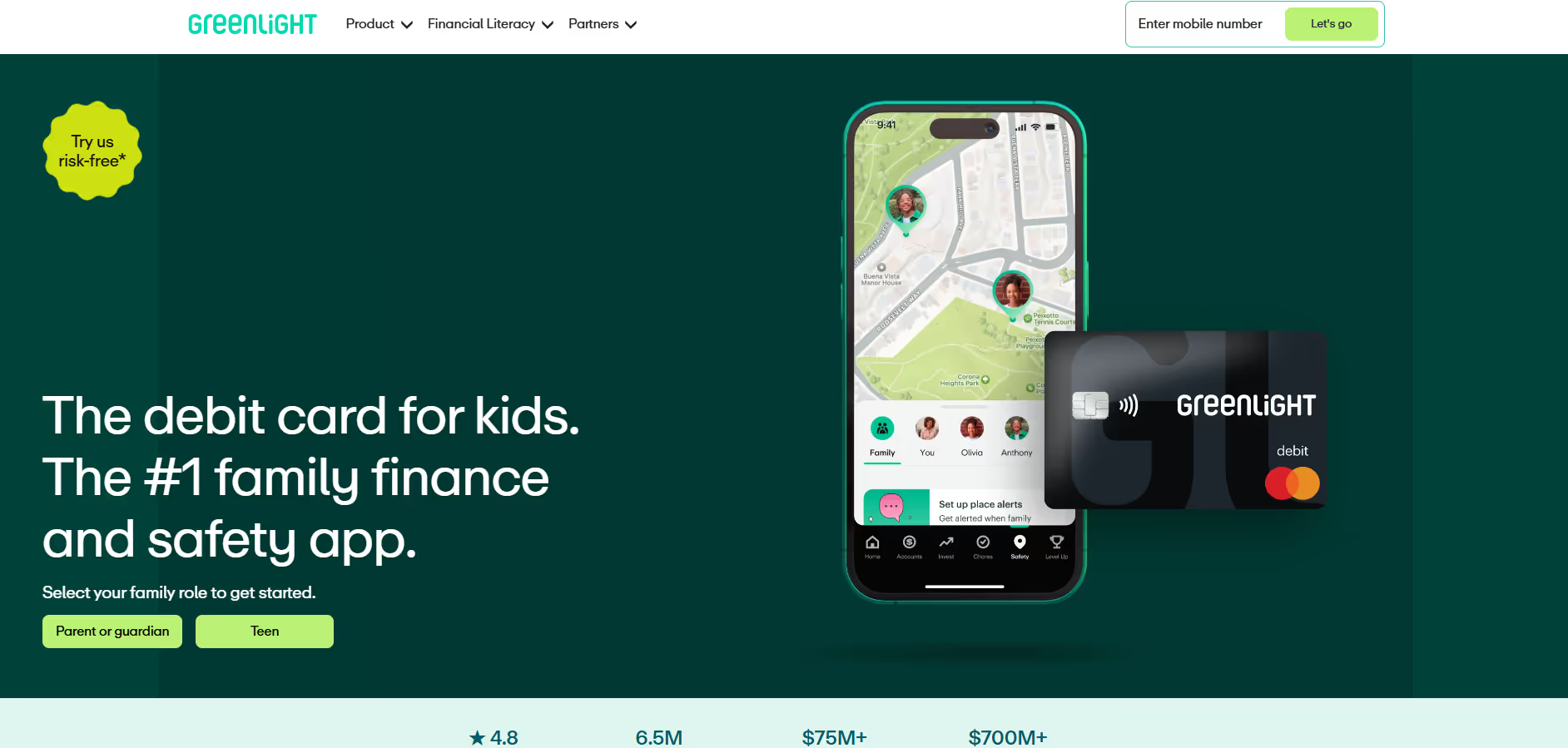
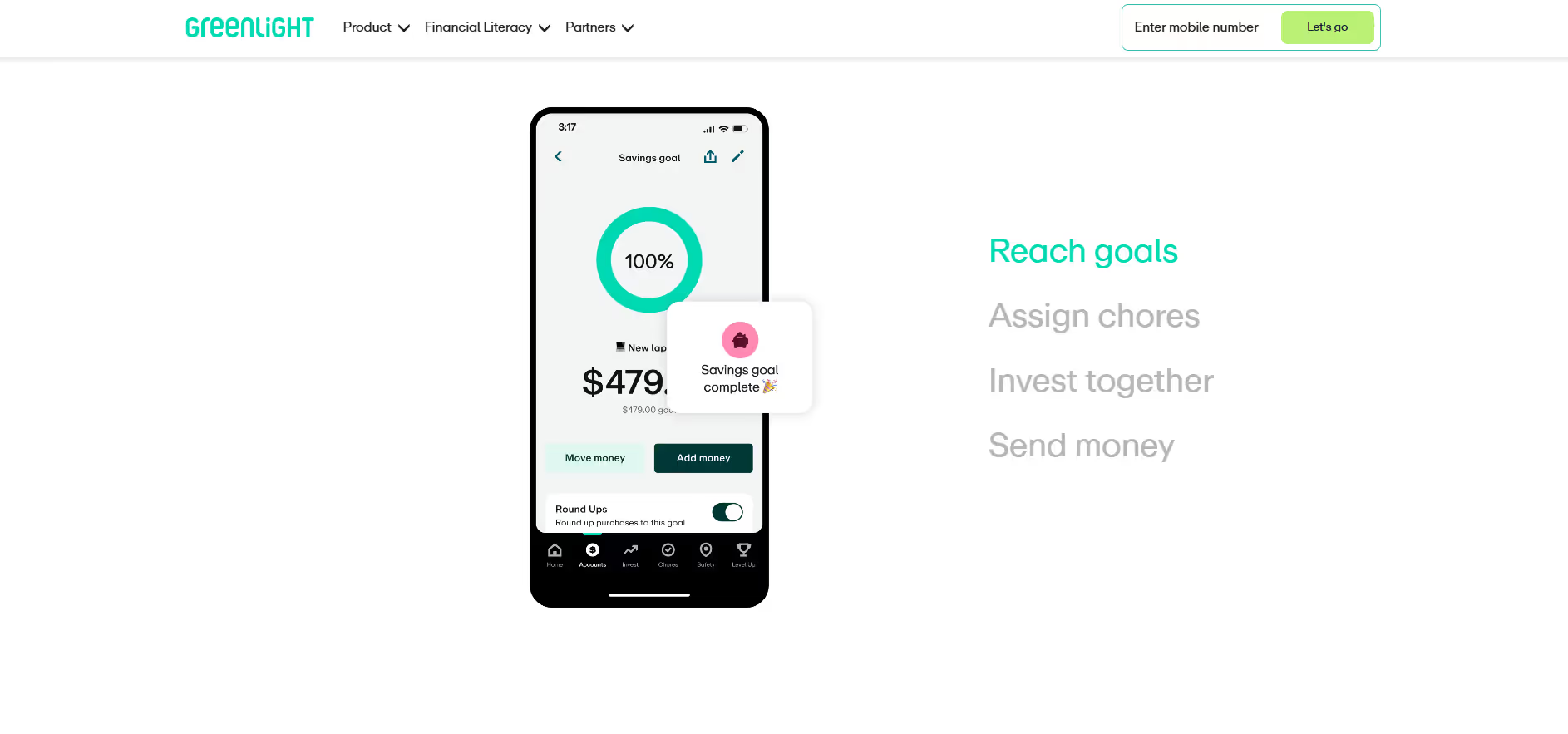
Few brands have built their digital identity around a color so close to Tiffany Blue, with the fintech company Greenlight being a notable example. This rarity presents an opening for designers; using this distinct cyan can help a product stand out and build a strong, recognizable brand presence in a crowded market.
Use the tools below to see how #0ABAB5 works in practice. You can explore curated palettes, test color contrast for accessibility, and preview Tiffany Blue in real UI components of top brands.
How do I use the Tiffany Blue color codes?
Working with Tiffany Blue in your projects starts with its hex code, #0ABAB5. This value is the foundation for applying the color in any digital format, whether you're designing a website, a mobile app, or creating digital assets.
Depending on your medium, you will need to convert this hex value into other color models. Digital displays render colors using the RGB model, which specifies intensities of red, green, and blue light. For print materials, the CMYK model—which combines Cyan, Magenta, Yellow, and Key (black) inks—is the industry standard for accurate reproduction on paper. Other formats like HSL (Hue, Saturation, Lightness) offer a more intuitive method for making color adjustments.
To get you started, we've converted #0ABAB5 into a range of popular color code formats below. You can copy and paste these values directly into your design tools.
Analogous
Analogous colors are neighbors on the color wheel. For Tiffany Blue, this creates a harmonious and tranquil palette, perfect for serene user interfaces.
Complementary
Complementary colors sit directly opposite each other on the color wheel. Pairing Tiffany Blue with its complement creates a striking, high-contrast visual effect.
Split Complementary
Split complementary colors offer a more nuanced palette. For Tiffany Blue, this means pairing it with the two colors adjacent to its direct complement.
Triadic
Formed by three equidistant colors on the color wheel, a triadic scheme with Tiffany Blue offers a vibrant palette with strong visual contrast.
Tetradic
A tetradic scheme for Tiffany Blue uses two pairs of complementary colors, forming a rectangle on the color wheel for a vibrant palette.
Square
Formed by four equidistant colors on the color wheel, a square scheme offers a lively, balanced palette with strong contrast against Tiffany Blue.
Text Color
Background Color
Your Catchy Large Text Goes Here
Shades
Adding black to Tiffany Blue creates darker shades, giving the color more depth and weight.
Tints
Tints of Tiffany Blue are created by adding white, resulting in lighter, softer tones.
Tones
Tones of Tiffany Blue are created by adding gray, which produces softer, less saturated hues.
Hues
Hues are variations of Tiffany Blue that differ in intensity or temperature, affecting the design's mood.

Never run out of inspiration again.
Use Mobbin for free as long as you like or get full access with any of our paid plans.