Spanish Gray
Spanish Gray, #9B9594, is a neutral with a quiet confidence. What makes this shade notable is its subtle warmth and earthy character, distinguishing it from colder, more common grays. It offers a sophisticated yet grounded starting point for any visual project.
What color is Spanish Gray?
Spanish Gray is a warm, mid-tone gray. It has a distinct, earthy character, thanks to its subtle brown and reddish undertones.
This warmth separates it from cooler, more industrial grays, giving it a softer and more approachable feel.
What is the meaning of the color Spanish Gray (#9B9594)?
Spanish Gray represents balance and sophistication. It's a color of composure and neutrality, suggesting a solid, reliable foundation without the coldness of a pure gray.
This shade evokes a sense of timeless elegance and quiet strength. It carries a feeling of history and endurance, symbolizing stability and understated quality.
How can I use Spanish Gray in UI design?
In UI design, Spanish Gray (#9B9594) serves as a sophisticated foundation. Use it as a primary background and pair it with off-whites or deep charcoals to ensure your text is accessible and your interface feels clean. For a more striking effect, introduce a single, bright accent color for key interactive elements like buttons and links; this creates a strong visual hierarchy against the muted backdrop.
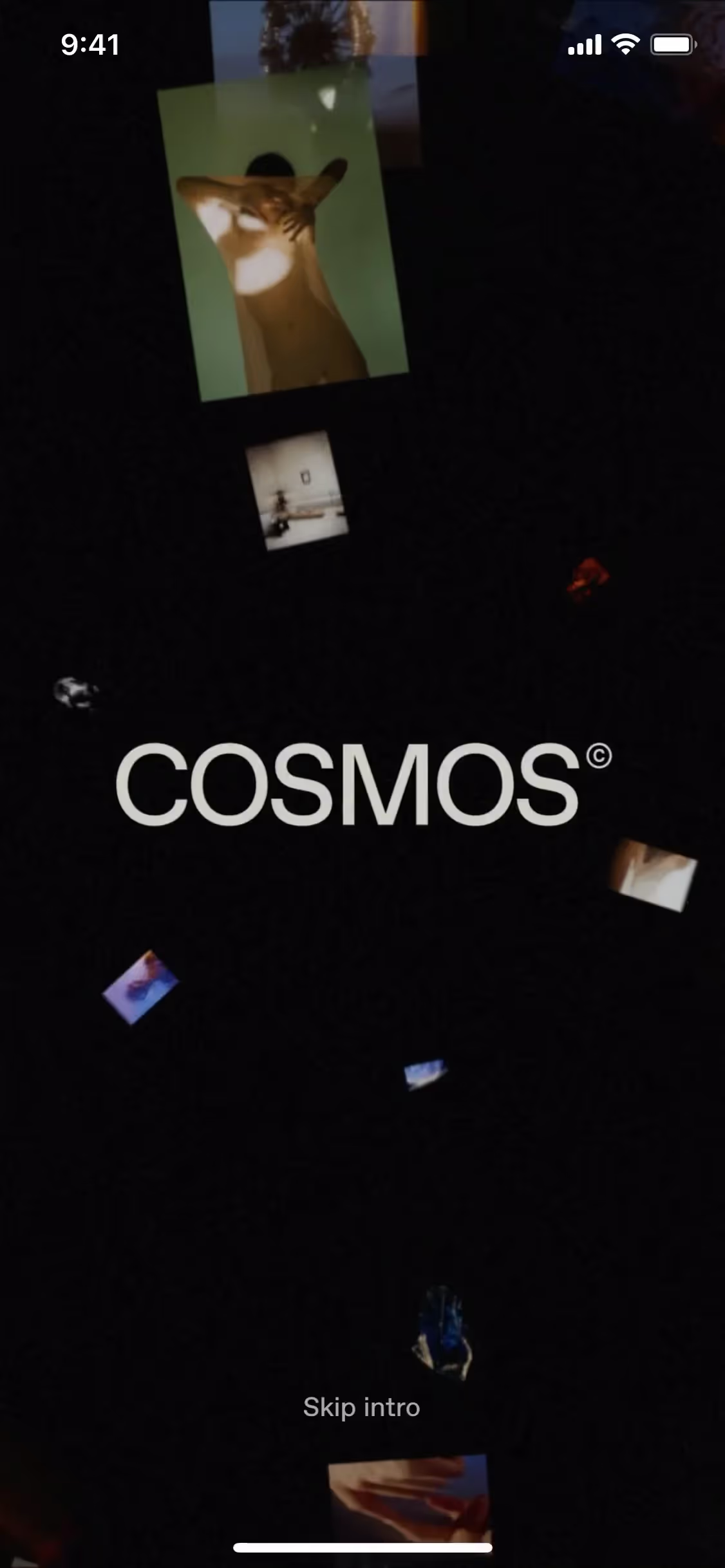
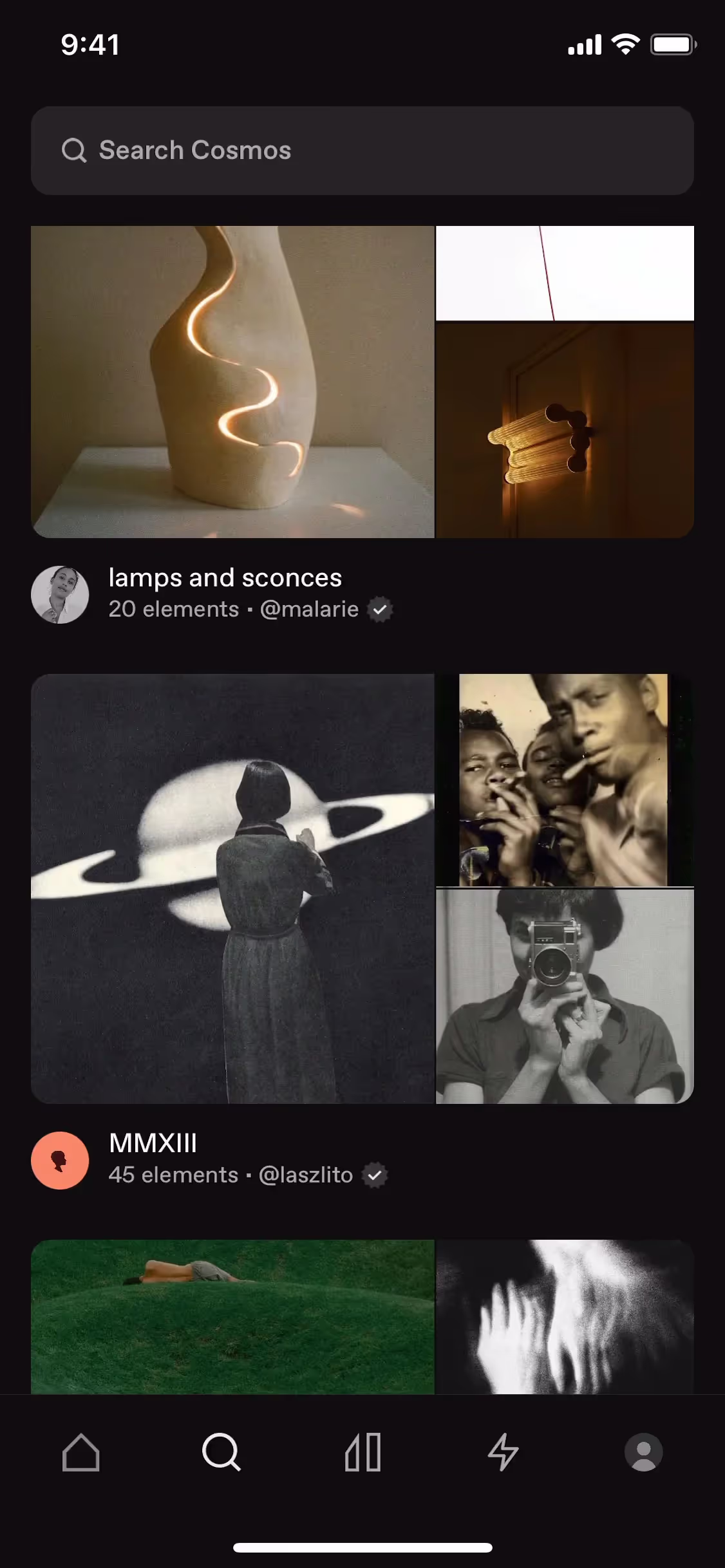
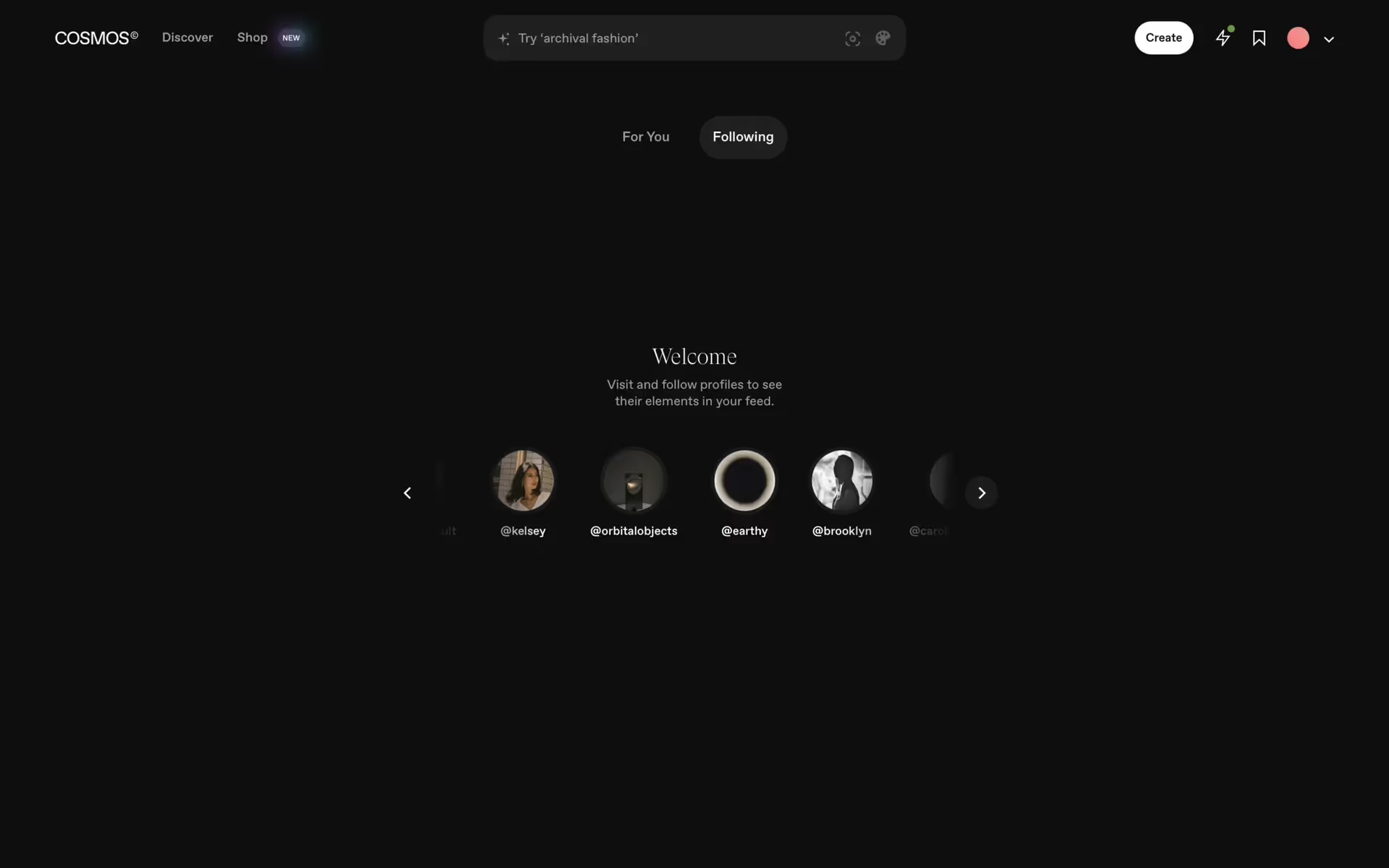
Few brands build their identity around this specific shade, which is precisely its advantage. It offers a chance to create a unique and memorable visual style. For instance, the product Typefully Cosmos employs a similar gray to cultivate a focused, uncluttered user experience. Using Spanish Gray can signal refinement and a departure from more common tech palettes.
Explore curated palettes, test color contrast for accessibility, and preview Spanish Gray in real UI components from top apps using the tools below.
Using Spanish Gray color codes
Working with Spanish Gray in your design software is straightforward, starting with its hex code: #9B9594. This six-digit code is the universal language for color on the web, but different projects often call for different color models.
Each color model represents the same hue in a distinct format. For digital work, you'll frequently use RGB (Red, Green, Blue) values, which define color for screens. For print, you'll need CMYK (Cyan, Magenta, Yellow, Key/Black) values to ensure color accuracy on paper. Other systems like HSL, LAB, and LCH provide alternative ways to define and manipulate color based on properties like lightness and chroma.
To help you get started, we've converted #9B9594 into a full range of popular color codes. You can find and copy the exact values you need for your project in the tables below.
Analogous
Analogous colors are found next to Spanish Gray on the color wheel. This combination creates a harmonious and serene visual experience for any design.
Complementary
To find Spanish Gray’s complements, look directly across the color wheel. These opposing hues produce a strong, eye-catching contrast when used together.
Split Complementary
The split complementary palette for Spanish Gray uses the two colors adjacent to its complement, providing strong visual contrast with less tension.
Triadic
A triadic scheme combines Spanish Gray with two other hues, equally spaced on the color wheel, for a vibrant and high-contrast effect.
Tetradic
A tetradic color scheme for Spanish Gray uses four colors total, arranged as two complementary pairs in a rectangle on the color wheel.
Square
A square scheme pairs Spanish Gray with three other evenly spaced colors on the wheel, creating a lively palette with strong, balanced contrast.
Text Color
Background Color
Your Catchy Large Text Goes Here
Shades
Shades of Spanish Gray are created by adding black, resulting in darker tones for added depth.
Tints
Tints of Spanish Gray are lighter versions created by adding white for a softer look.
Tones
Tones of Spanish Gray are created by adding gray, which softens the color's saturation.
Hues
Hues are variations of Spanish Gray, differing in temperature or intensity to create distinct moods.


Never run out of inspiration again.
Use Mobbin for free as long as you like or get full access with any of our paid plans.