Outer Space
Meet Outer Space, #414A4C. This deep charcoal sidesteps true black with its subtle, cool undertone, offering a unique depth for your designs. It appears almost black at first glance but reveals a complex, slate-blue character upon closer inspection, making it a foundational color with quiet complexity.
What color is Outer Space?
Outer Space is a deep, cool-toned gray. It's a sophisticated shade that sits just shy of black, carrying a subtle complexity.
Its distinct character comes from a cool, blue undertone, giving the color #414A4C a crisp and modern feel without the starkness of a true neutral gray.
What is the meaning of the color Outer Space (#414A4C)?
The color Outer Space (#414A4C) carries a sense of mystery and sophistication. It suggests the vastness of the cosmos, evoking feelings of wonder and the infinite possibilities that lie beyond our world.
Symbolically, it represents stability, elegance, and authority. It provides a strong, grounding foundation in design, feeling both timeless and forward-looking without the starkness of pure black.
How can I use Outer Space (#414A4C) in my UI design?
In UI design, use Outer Space (#414A4C) as a sophisticated alternative to pure black for backgrounds or text. Pair it with bright accents or warm off-whites to create sufficient contrast for legibility.
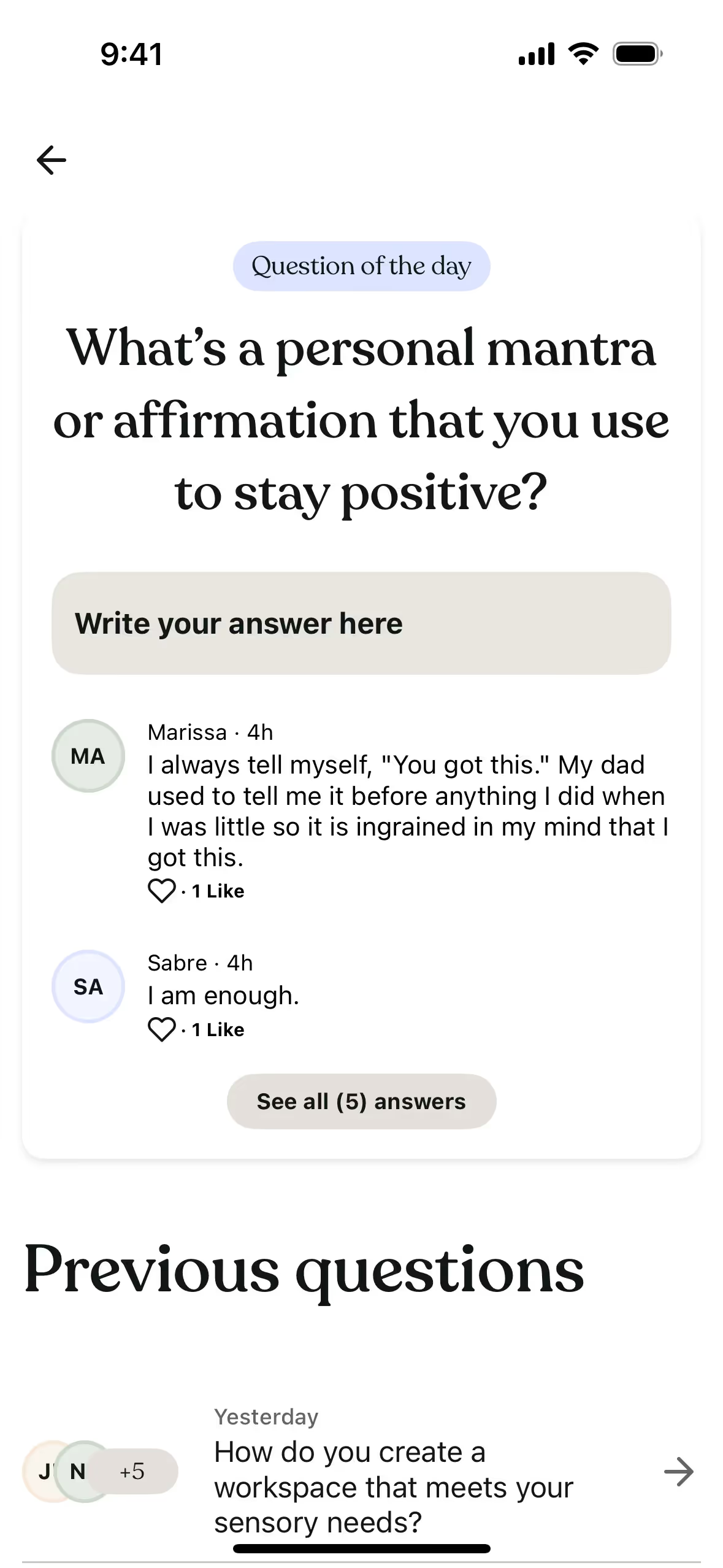
Brands like Feeld, ESPN, and Tiimo use similar deep charcoals for a modern, grounded feel. It’s a less common choice that can give a product a refined aesthetic.
Explore curated palettes, test color contrast for accessibility, and preview Outer Space in real UI components from top brands using the tools below.
How can I use the Outer Space color codes?
Using the color Outer Space in your work is straightforward. While its most common identifier is the hex code #414A4C, this value can be translated into other formats to suit different design applications, from digital interfaces to printed materials.
Each color model serves a specific purpose. RGB (Red, Green, Blue) values define colors for screens by adding light, whereas CMYK (Cyan, Magenta, Yellow, Key/Black) is the standard for print. Other models like HSL (Hue, Saturation, Lightness) offer a more intuitive way to make adjustments.
To help you get started, we have converted the hex code #414A4C for Outer Space into a range of popular color models. You can find these values below, ready to copy for your next project.
Analogous
Analogous colors are neighbors on the color wheel. When paired with Outer Space (#414A4C), they create a harmonious and serene visual experience.
Complementary
Complementary colors sit opposite each other on the color wheel. Pairing Outer Space with its complement creates a striking, high-contrast visual that makes both colors pop.
Split Complementary
A split complementary scheme for Outer Space (#414A4C) uses the two colors adjacent to its direct complement, offering a vibrant yet balanced palette.
Triadic
Triadic color schemes pair Outer Space with two other hues equally spaced on the color wheel, creating a vibrant and balanced palette.
Tetradic
A tetradic scheme pairs Outer Space with three other hues. These four colors form two complementary pairs, offering a vibrant and well-balanced visual combination.
Square
The square color scheme pairs Outer Space with three other colors, all equidistant on the color wheel, for a balanced yet highly contrasting effect.
Text Color
Background Color
Your Catchy Large Text Goes Here
Shades
Shades of Outer Space are created by adding black, resulting in darker, weightier tones.
Tints
Tints are lighter variations of Outer Space, made by adding white to soften the hue.
Tones
By adding gray, tones of Outer Space appear softer and more subdued.
Hues
Hues are variations of Outer Space, differing in temperature or intensity to create distinct moods.





Never run out of inspiration again.
Use Mobbin for free as long as you like or get full access with any of our paid plans.