Light Apricot
Meet Light Apricot (#FDD5B1), a soft pastel that balances warmth with a gentle, luminous quality. Its subtle blend of peach and orange tones gives it a distinctive character, making it a compelling choice for interfaces that need an approachable sophistication without being overpowering.
What color is Light Apricot?
Light Apricot is a delicate, pale orange with a soft, creamy appearance.
It carries warm, yellow-orange undertones, giving it a gentle and inviting feel without being overly saturated.
What is the meaning of the color Light Apricot (#FDD5B1)?
Light Apricot imparts a sense of gentle warmth and optimism. Its soft, inviting character fosters feelings of comfort and positivity, making it an approachable and nurturing hue for any project.
Symbolically, the color connects to youthfulness and fresh beginnings. It carries a delicate energy that suggests sweetness and care, distinct from the demanding intensity of brighter oranges.
How can I apply Light Apricot to my UI design?
Light Apricot (#FDD5B1) works beautifully as a primary background color, offering a softer, warmer alternative to stark white or gray. For strong visual hierarchy, pair it with deep, saturated colors like navy blue or charcoal gray to ensure text and key elements pop. Alternatively, create an earthy, harmonious palette by combining it with terracotta, olive green, and creamy off-whites.
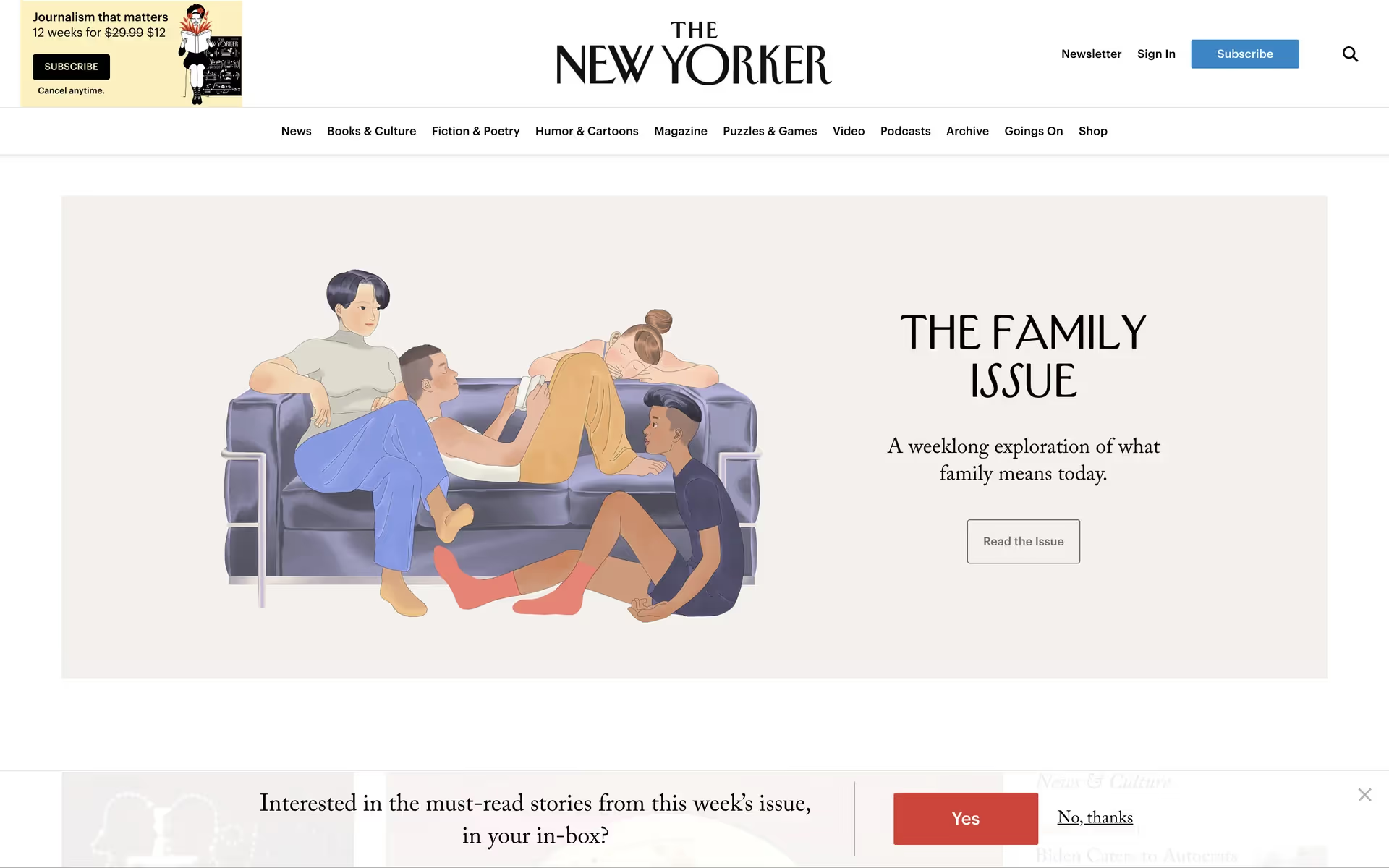
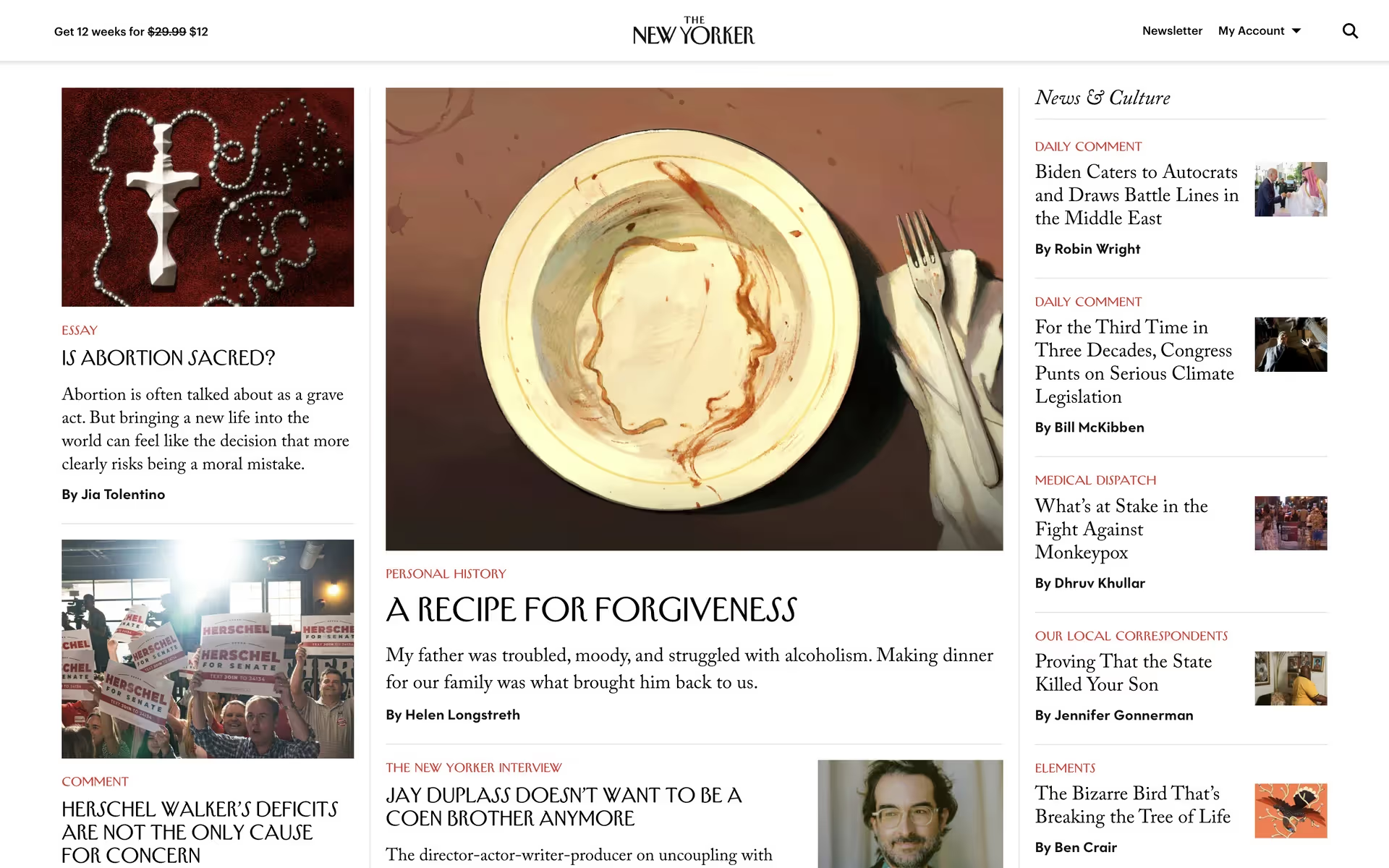
While not a common choice in the mainstream digital product space, similar warm, peachy hues are used by brands like The New Yorker and Thrive Market to project a sense of warmth and sophistication. Its rarity presents an opportunity for a product to establish a distinct and memorable visual identity.
To see how Light Apricot performs, use the tools below. You can explore curated palettes, test color combinations for accessibility, and preview #FDD5B1 applied to UI components from well-known apps.
Using Light Apricot color codes
Using Light Apricot in your digital projects is as simple as copying its hex code, #FDD5B1. However, depending on whether you're designing for a screen or a physical print, you might need to translate this value into a different color model.
Each color code system serves a specific purpose. For instance, RGB (Red, Green, Blue) values define colors for digital displays through additive light, while CMYK (Cyan, Magenta, Yellow, Key/Black) is the standard for printed materials, which use subtractive color. Other models like HSL (Hue, Saturation, Lightness) offer a more intuitive way to adjust color properties.
To help you get started, we've converted Light Apricot's #FDD5B1 hex code into its corresponding RGB, CMYK, HSL, and other popular formats. You can find these values below, ready to be copied for your specific application.
Analogous
Analogous colors sit next to Light Apricot on the color wheel, creating a harmonious and visually pleasing palette that feels calm and serene.
Complementary
Complementary colors sit directly opposite each other on the color wheel. Pairing them with Light Apricot creates a high-contrast, visually striking effect.
Split Complementary
For a high-contrast yet balanced palette, a split complementary scheme pairs Light Apricot with the two colors adjacent to its direct complement.
Triadic
A triadic color scheme uses three hues evenly spaced on the color wheel. With Light Apricot, this creates a vibrant, high-contrast palette.
Tetradic
Tetradic schemes create rich, vibrant palettes. For Light Apricot, this means finding three other colors that form two complementary pairs on the color wheel.
Square
A square color scheme uses four colors equidistant on the color wheel. With Light Apricot as the base, this creates a vibrant, high-contrast palette.
Text Color
Background Color
Your Catchy Large Text Goes Here
Shades
Shades of Light Apricot are made by adding black, which introduces a feeling of depth and weight.
Tints
Tints are created by adding white to Light Apricot, resulting in softer, paler variations.
Tones
Adding gray to Light Apricot creates tones, which produce a softer, more muted appearance.
Hues
Hues are variations of Light Apricot, differing in intensity and temperature to create distinct moods.

Never run out of inspiration again.
Use Mobbin for free as long as you like or get full access with any of our paid plans.