Licorice
Meet Licorice, #141414. This deep, near-black shade is a sophisticated alternative to absolute black. Its subtle character offers a rich, solid foundation for digital interfaces, providing depth without the harshness of a true black, making it a modern and versatile choice.
What color is Licorice?
Licorice is a deep charcoal gray, sitting just on the edge of true black.
It’s a perfectly balanced neutral with no strong color undertones, giving it a solid, consistent quality.
What is the meaning of the color Licorice in design?
Historically associated with power and formality, the color Licorice carries a modern weight of sophistication and mystery. It symbolizes authority and the allure of the unknown, making it a potent choice in any creative palette.
This shade evokes a sense of stability and timeless elegance. For designers, #141414 offers a grounding presence that suggests both classic refinement and stark, modern simplicity.
How can I use Licorice (#141414) in my UI design?
As a deep, foundational neutral, Licorice (#141414) excels at creating sharp, readable interfaces. Use it for primary text against light backgrounds to achieve high contrast. For color pairings, it works beautifully with both vibrant accents for a pop of energy and more subdued, earthy tones for a sophisticated and grounded aesthetic.
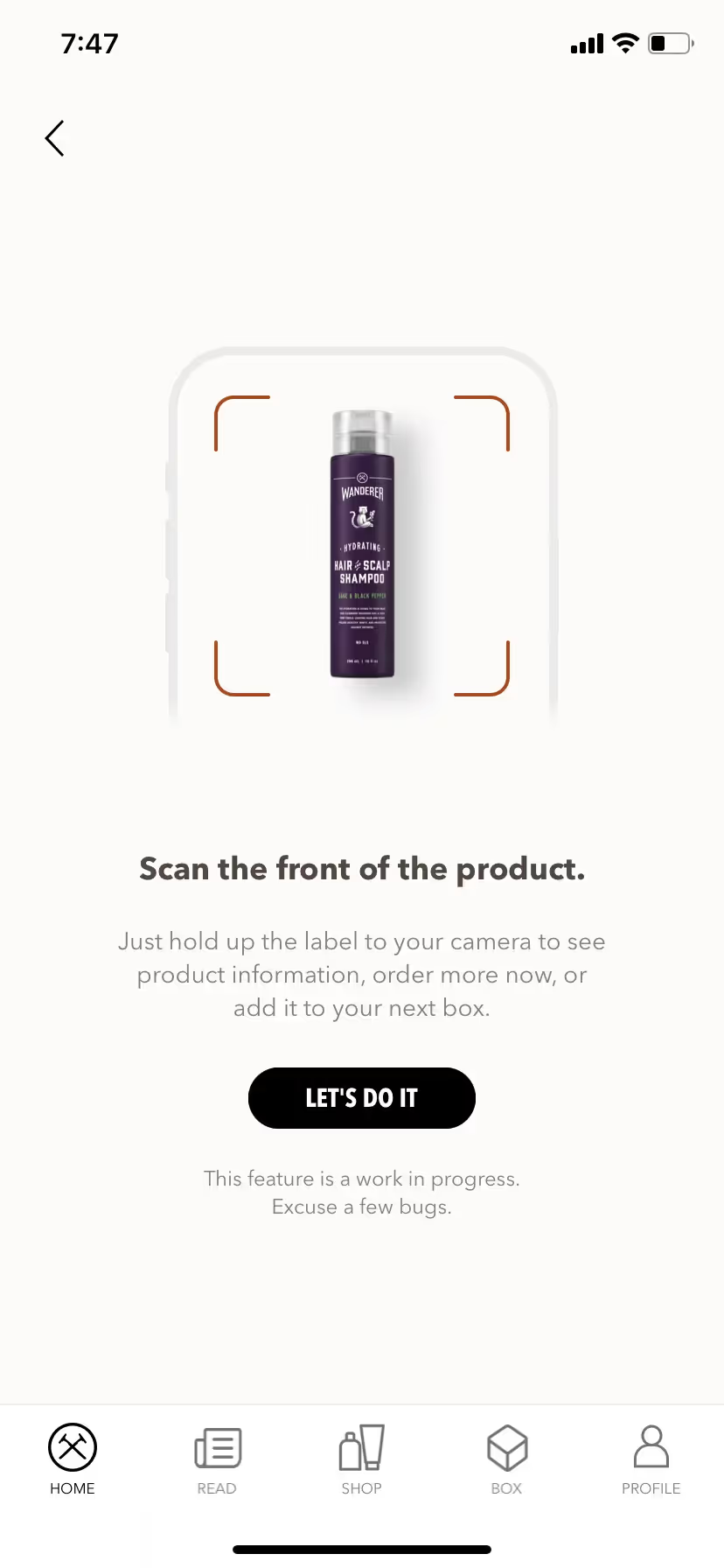
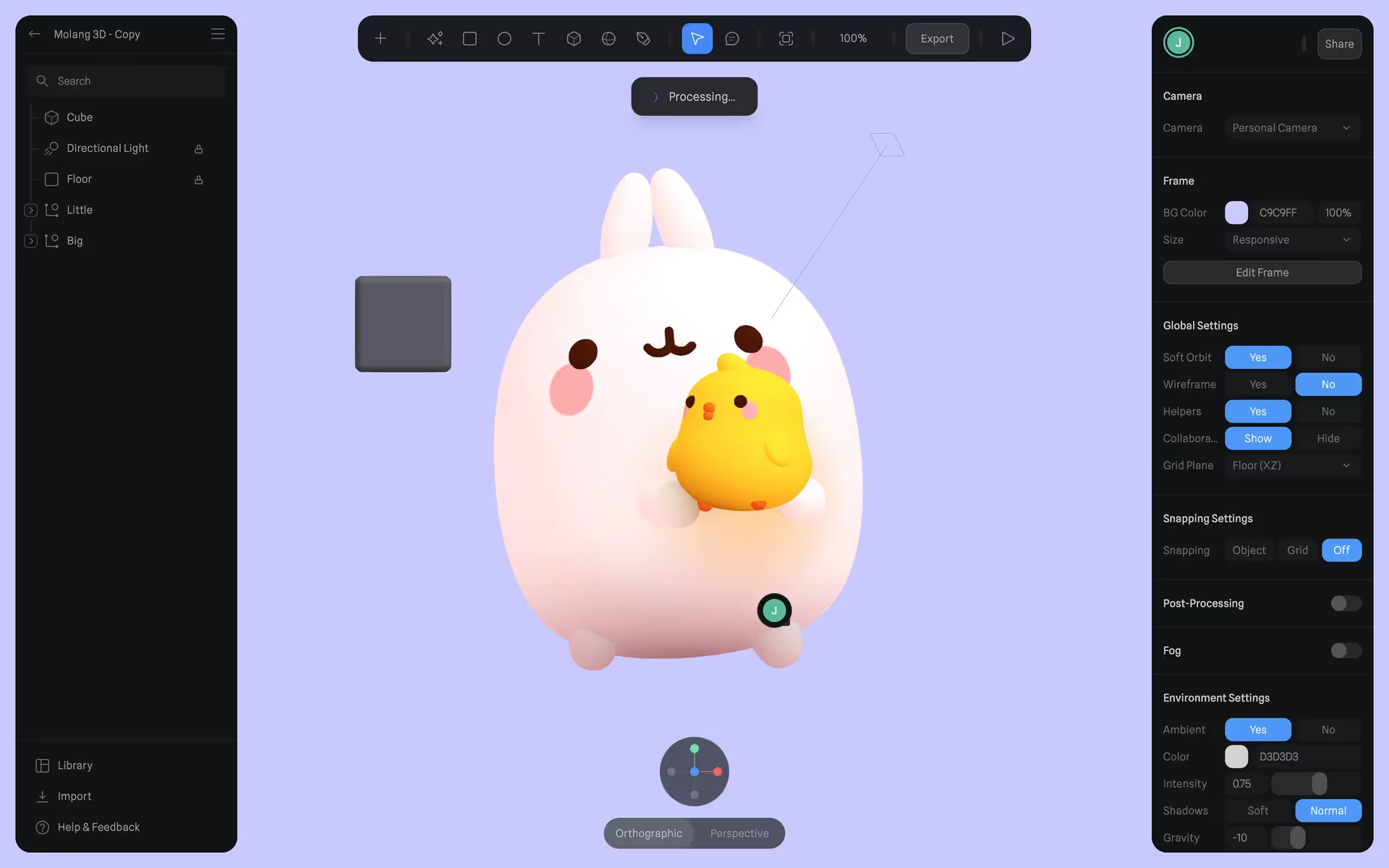
This rich charcoal is a popular choice for brands aiming for a premium and focused feel. Companies like Spline, Coda, and Dollar Shave Club build their interfaces around similar dark shades to create a modern, professional appearance.
To see how Licorice performs in practice, use the tools below. You can explore curated palettes, test color contrast for accessibility, and preview #141414 in real UI components from top applications.
How do I use the Licorice color codes?
When working with Licorice, you'll most often use its hex code, #141414, for web-based projects. However, different design mediums require different color codes, so you'll need to convert it for consistent results across platforms.
For example, RGB values are standard for digital screens, while CMYK is essential for print materials. Other models like HSL or LAB offer more intuitive ways to adjust color properties in your design software.
To make things simple, we've converted #141414 into a range of popular formats. You can find and copy the exact codes you need for your project below.
Analogous
An analogous palette pairs Licorice with its neighbors on the color wheel, resulting in a visually cohesive and composed color scheme.
Complementary
To find a complementary color for Licorice, look to the opposite side of the color wheel. This pairing produces a vibrant, energetic contrast.
Split Complementary
Split complementary palettes for Licorice use the two colors adjacent to its direct complement, offering a vibrant yet balanced visual contrast.
Triadic
A triadic scheme uses three colors equidistant on the color wheel. With Licorice, this creates a vibrant palette with bold, balanced contrast.
Tetradic
Tetradic palettes, like these for Licorice, are built from two pairs of complementary colors, creating a rectangle on the color wheel for rich results.
Square
A square color scheme uses four colors evenly spaced on the color wheel. With Licorice, this creates a vibrant, high-contrast palette with rich variety.
Text Color
Background Color
Your Catchy Large Text Goes Here
Shades
Shades are darker versions of Licorice, made by adding black to create depth and weight.
Tints
Tints are lighter versions of Licorice, created by adding white for a softer appearance.
Tones
Tones are muted versions of Licorice, created by adding gray to soften its saturation.
Hues
Hues are variations of Licorice, sharing its base color but with different intensities or temperatures.







Never run out of inspiration again.
Use Mobbin for free as long as you like or get full access with any of our paid plans.