Etched Glass
Meet Etched Glass, #DDE1E3. This near-white shade stands out with its cool, subtle undertones, offering a crisp and clean foundation. Its quiet luminosity provides a sophisticated alternative to stark white, creating a sense of refined space without overwhelming the design.
What color is Etched Glass?
Etched Glass is a whisper-light gray, a shade that sits just off-white.
It carries a cool temperature with a subtle blue undertone, giving it a crisp and clean character.
What is the meaning of the color Etched Glass (#DDE1E3)?
Etched Glass evokes a sense of calm and clarity. It's a color of quiet confidence and intellectual precision, suggesting a space for focus and uncluttered thought.
Symbolically, the color represents subtlety and sophistication. The name itself points to a delicate yet permanent craft, reflecting a modern aesthetic that values clean lines and understated elegance.
What are the best practices for using Etched Glass in UI design?
Etched Glass (#DDE1E3) works beautifully as a subtle background, providing a softer alternative to stark white. For readability, pair it with high-contrast text in dark charcoal or black. To make accent colors stand out, choose vibrant hues; for a more understated and monochromatic palette, combine it with other grays and muted tones.
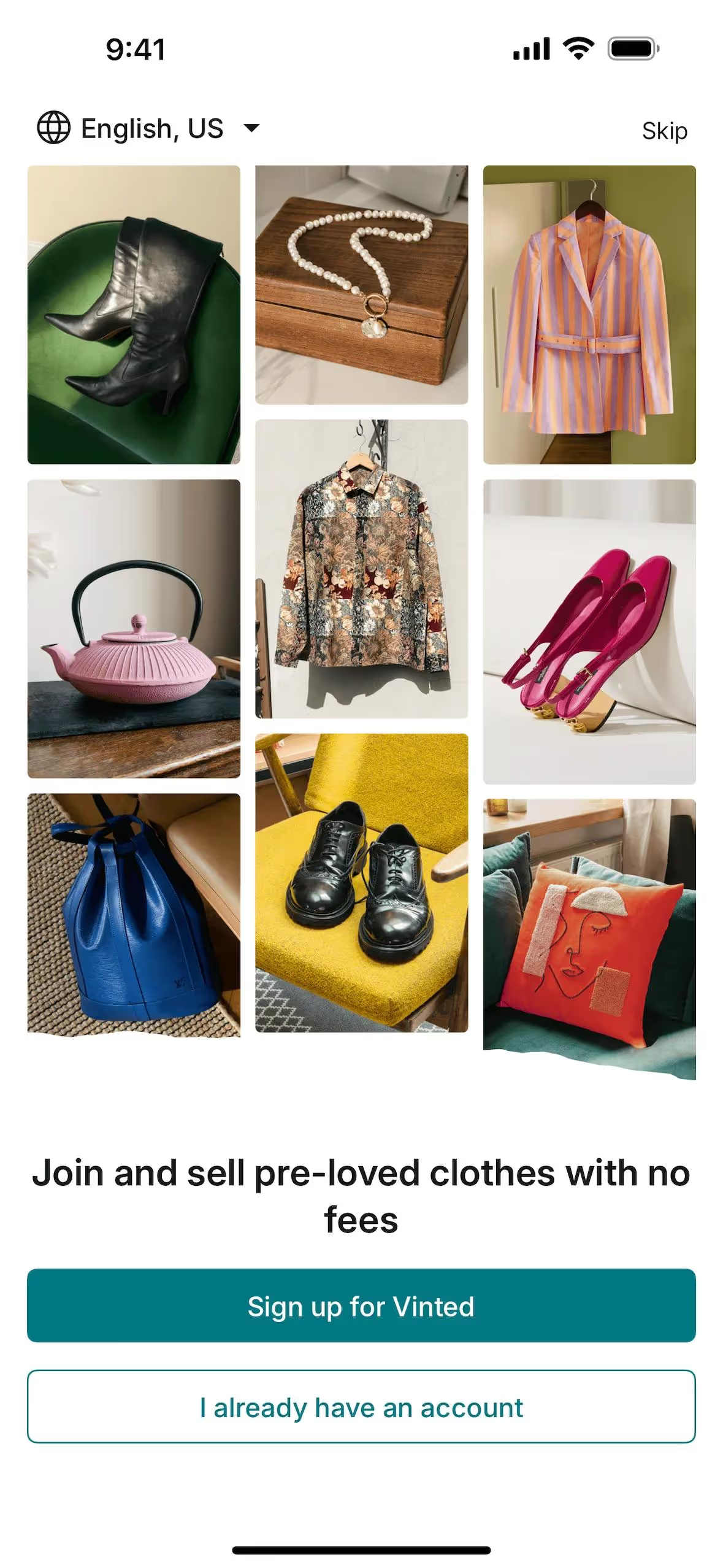
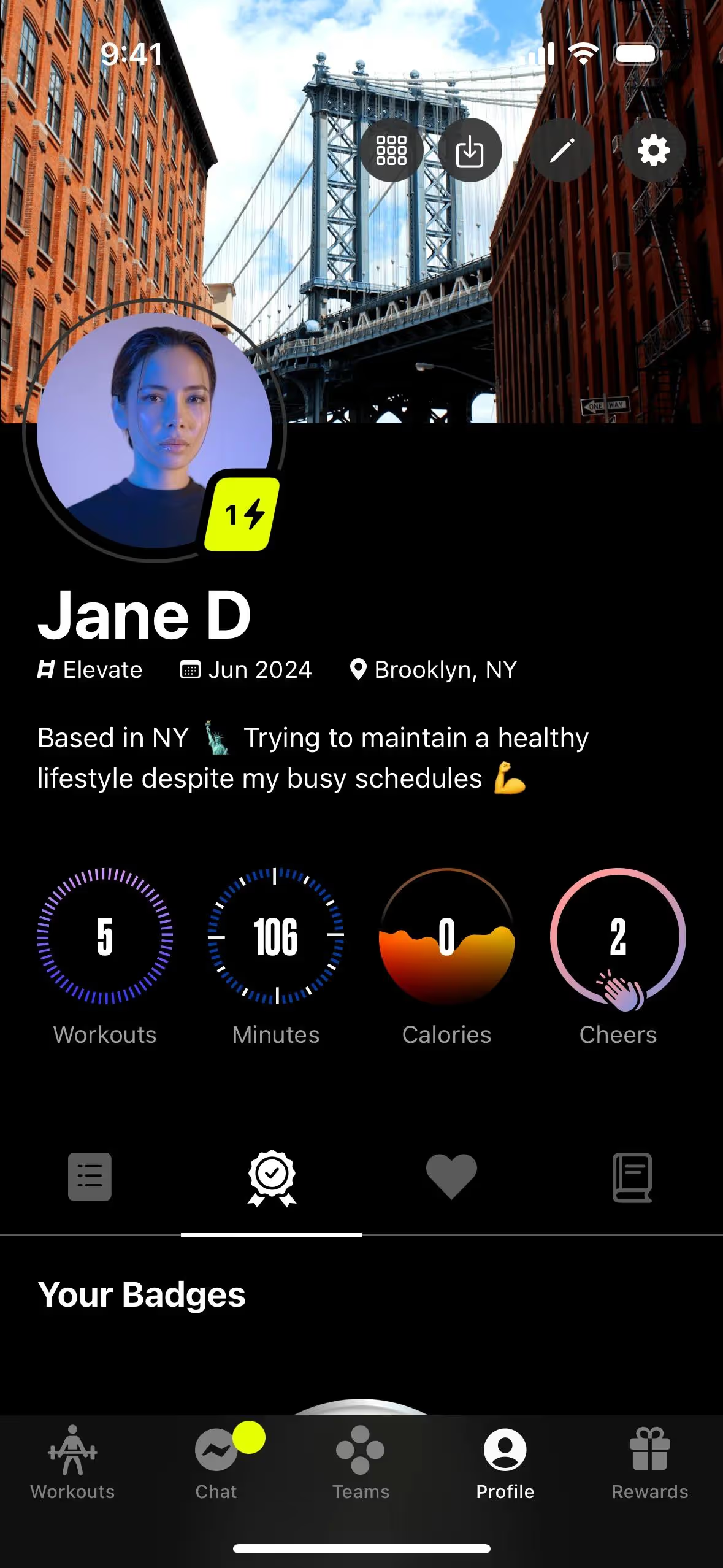
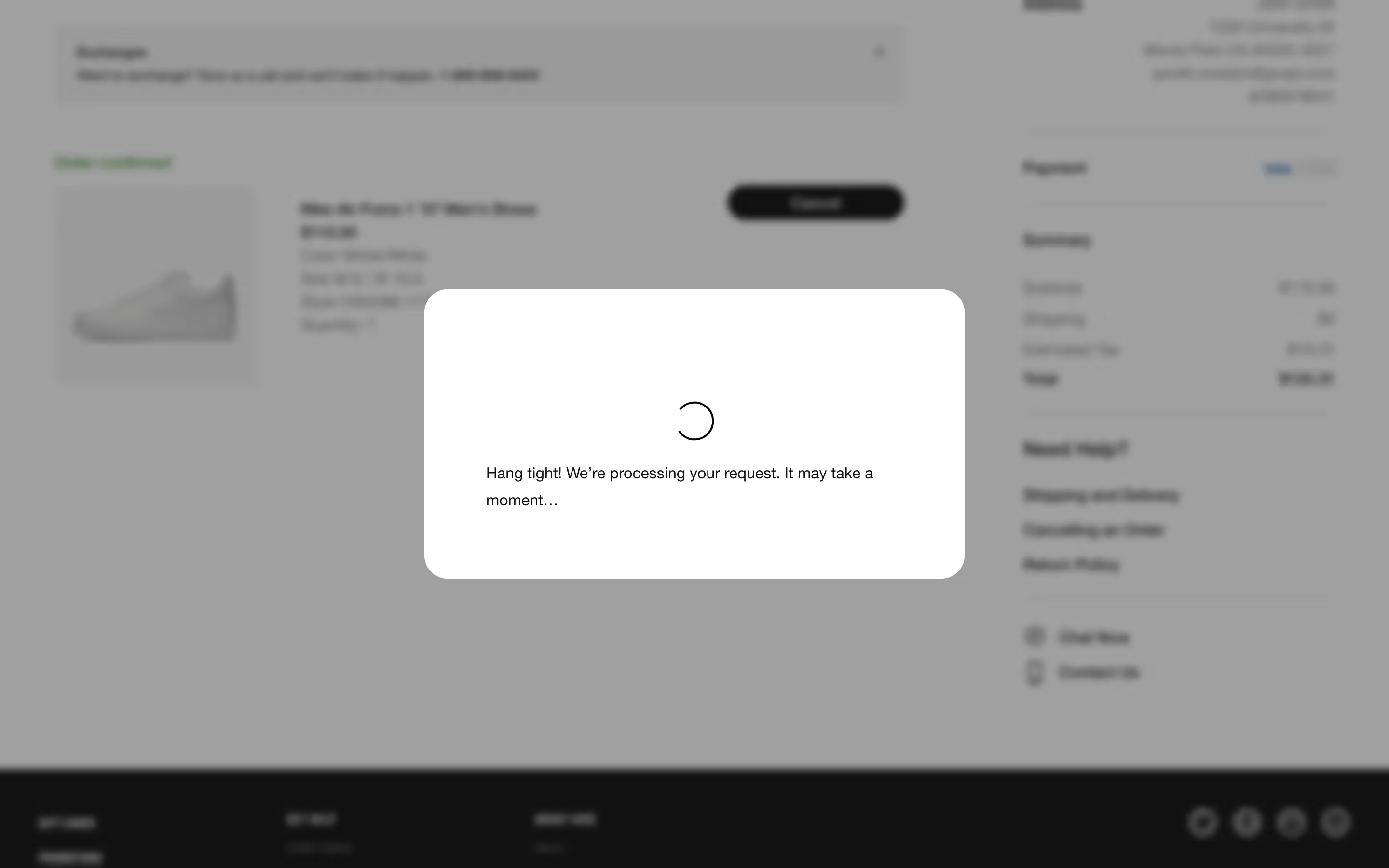
While not often a primary brand color, this shade is a quiet workhorse in the digital space. You'll find similar light grays creating clean, organized layouts in the interfaces of major apps like Nike and ASOS, proving its value in building a structured and modern user experience.
Explore curated palettes, test color contrast for accessibility, and preview Etched Glass in real UI components from top brands using the tools below.
Using Etched Glass color codes
Working with Etched Glass is straightforward; its hex code, #DDE1E3, can be directly used in CSS or design software for any digital application.
However, different projects require different color models. While HEX and RGB are standards for screen-based design, CMYK is essential for print materials, and formats like HSL or LAB are useful for programmatic color adjustments and maintaining perceptual uniformity.
To support your workflow, we've converted #DDE1E3 into a range of popular formats. You can copy the exact codes you need for your project below.
Analogous
Found next to each other on the color wheel, analogous colors produce a serene and cohesive palette when combined with Etched Glass.
Complementary
Complementary colors are opposites on the color wheel. Paired with Etched Glass, they create a high-contrast and visually striking combination.
Split Complementary
The split complementary palette for Etched Glass pairs it with the two colors adjacent to its direct opposite, creating a vibrant, balanced look.
Triadic
Triadic colors are three hues equally spaced on the color wheel. When paired with Etched Glass, they create a vibrant, high-contrast palette.
Tetradic
A tetradic color scheme for Etched Glass uses two pairs of complementary colors, forming a rectangle on the color wheel for a vibrant, balanced palette.
Square
A square color scheme pairs Etched Glass with three other colors, all equidistant on the color wheel, creating a vibrant and high-contrast palette.
Text Color
Background Color
Your Catchy Large Text Goes Here
Shades
Adding black to Etched Glass produces darker shades, giving the color more depth and weight.
Tints
Tints are lighter versions of Etched Glass, created by mixing in white to soften the hue.
Tones
Tones are created by adding gray to Etched Glass, resulting in softer, muted variations.
Hues
Hues are variations of Etched Glass, sharing its base color but with different intensities and temperatures.





Never run out of inspiration again.
Use Mobbin for free as long as you like or get full access with any of our paid plans.