Dove
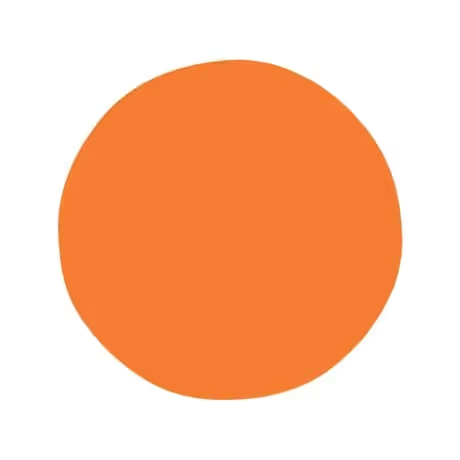
Meet Dove (#DAD5CE), a sophisticated neutral that finds its character in subtlety. This off-white possesses a quiet warmth, setting it apart from stark grays and lending it a unique, foundational quality for any palette.
What color is Dove?
Dove is a soft, light gray with distinct warm undertones, placing it in the greige family. Its composition leans slightly towards yellow and beige, giving it an organic quality that separates it from cold, clinical grays.
This low-saturation shade has a quiet complexity, presenting as a sophisticated off-white that feels both muted and grounded.
What is the meaning behind the color Dove (#DAD5CE) in design?
The color Dove inherits its meaning from the bird, a universal symbol of peace, gentleness, and new beginnings.
This muted shade, #DAD5CE, evokes a sense of calm, sophistication, and understated elegance, offering a feeling of serenity and balance.
How do I use Dove in my UI design?
Dove (#DAD5CE) works beautifully as a primary background, offering a softer, more organic alternative to pure white. For readability, pair it with dark, saturated colors for text and key elements. To create a serene and minimalist interface, combine it with a palette of analogous neutrals; for a more dynamic effect, introduce a single, strong accent color.
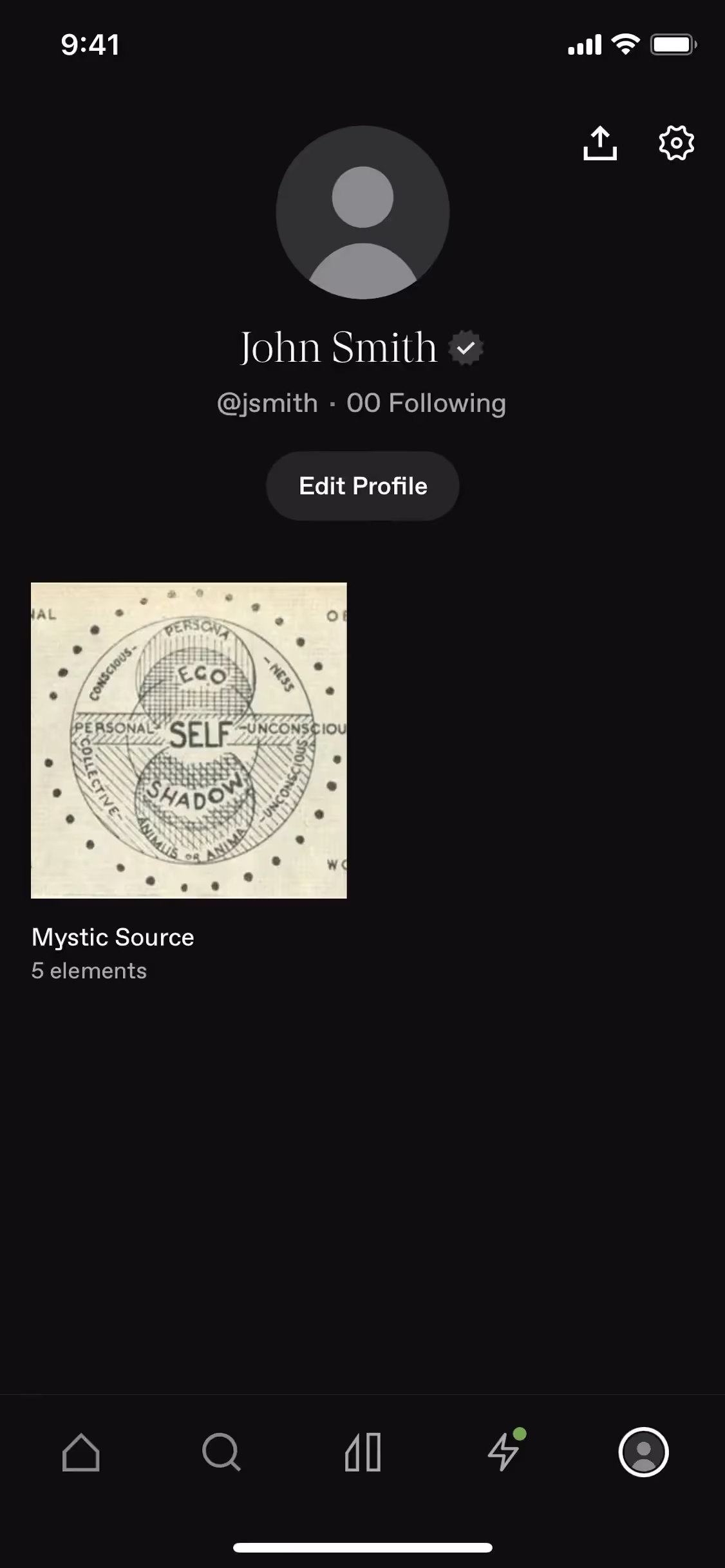
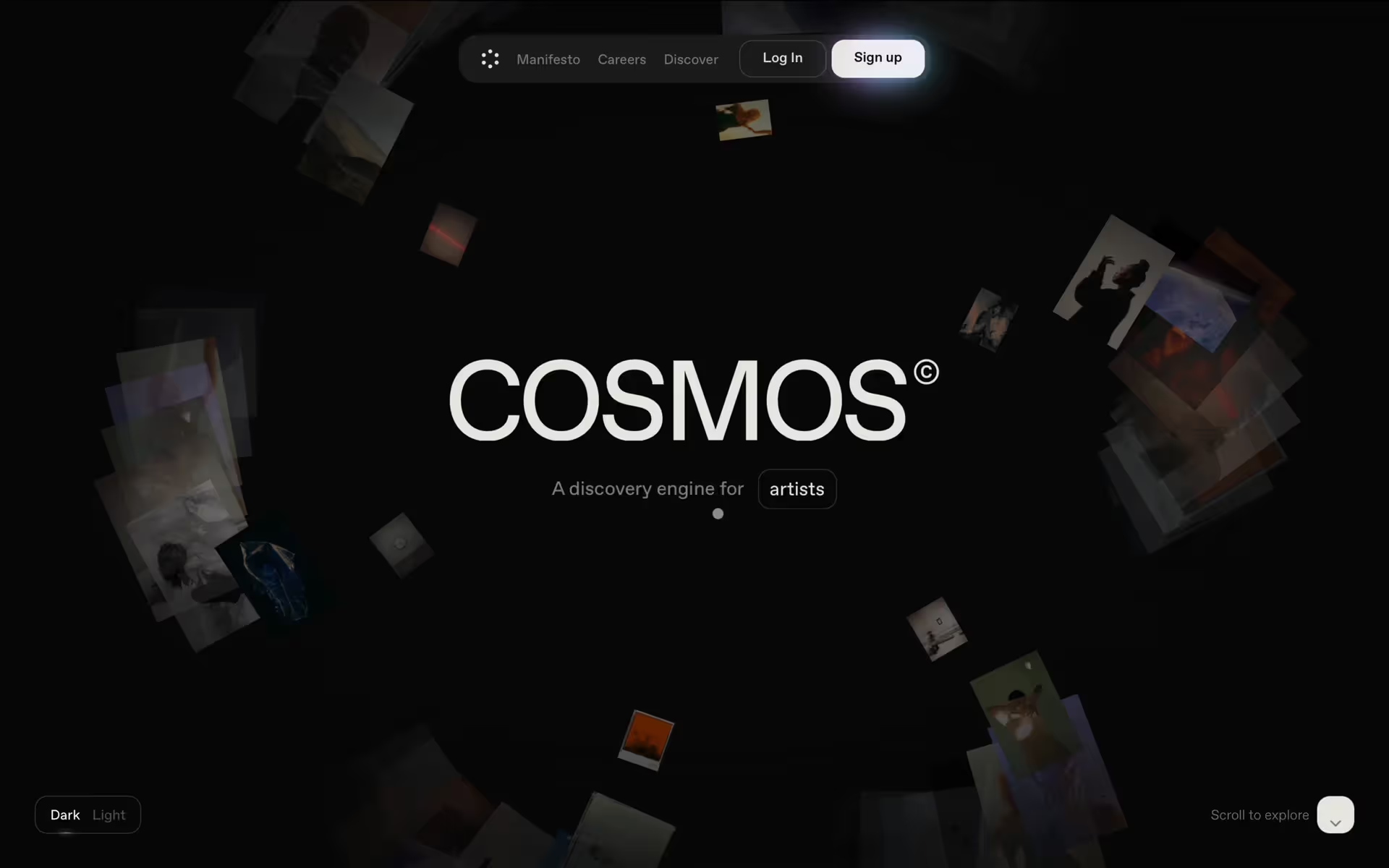
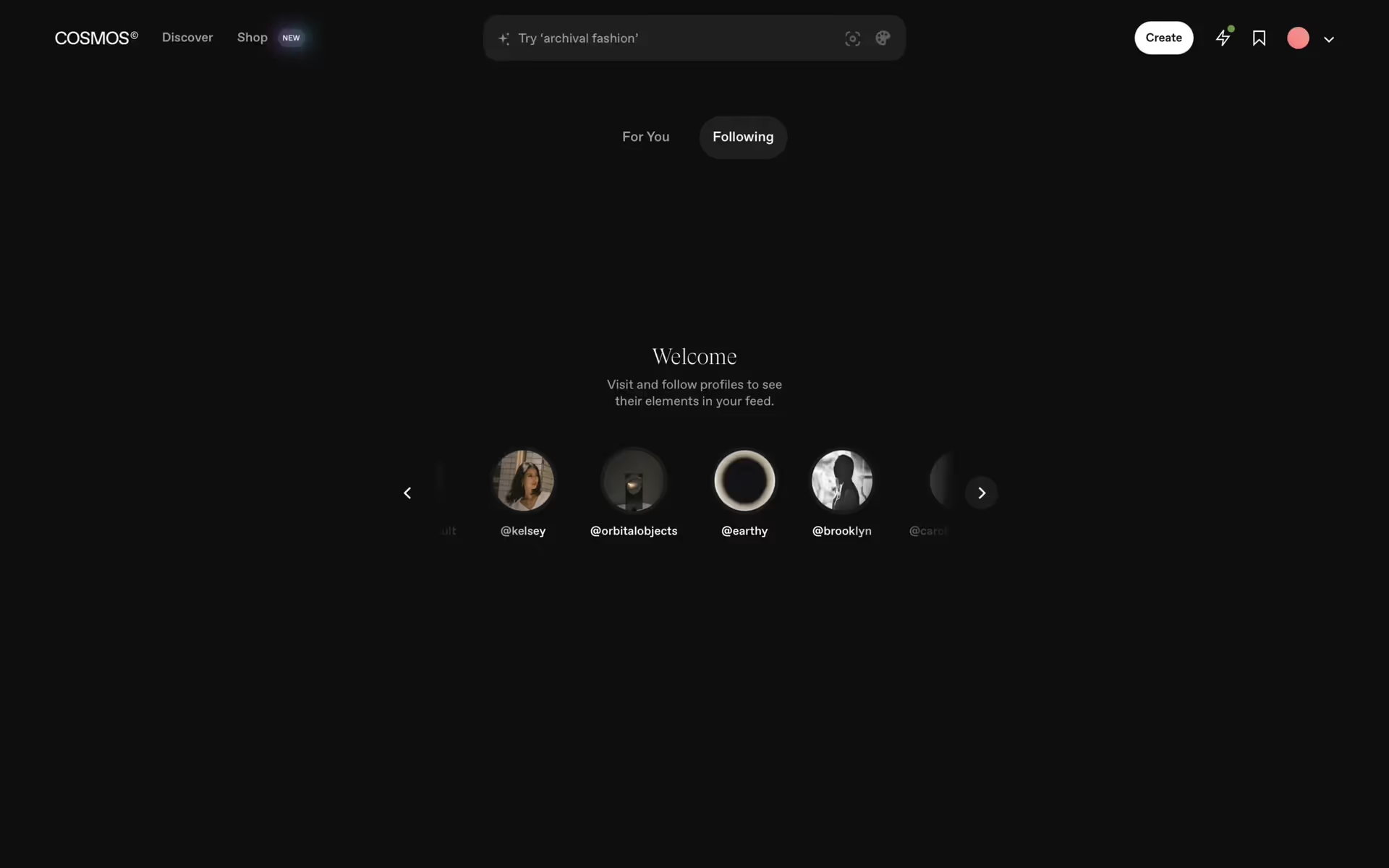
While not as widespread as stark white, similar warm off-whites are used by brands like Cosmos, Epidemic Sound, and Yubo to achieve a sophisticated and clean aesthetic. Choosing a color like Dove can signal a certain refinement and help a design stand out from more conventional digital products.
Use the tools below to explore curated palettes, test color contrast for accessibility, and see how Dove looks in real UI components from top applications.
Using Dove color codes
To use the color Dove in your digital designs, start with its hex code: #DAD5CE. This six-digit code is the standard for specifying colors on the web, ensuring consistency across different browsers and devices.
However, different projects require different color models. You might need the RGB values for screen-based work or the CMYK equivalent for print materials. Each code—from HSL to LAB—represents the same color but is structured for a specific medium, giving you the flexibility to apply Dove accurately everywhere.
To make things simple, we've converted #DAD5CE into a variety of popular formats. You can find and copy the exact codes you need for your project right below.
Analogous
Analogous colors are neighbors on the color wheel. When paired with Dove (#DAD5CE), they create a harmonious and tranquil visual experience.
Complementary
A complementary scheme pairs Dove with its opposite on the color wheel, creating a high-contrast combination that makes designs feel more vibrant.
Split Complementary
For a more flexible scheme, split complementary uses the two colors adjacent to the direct complement of Dove, offering high contrast with less tension.
Triadic
A triadic scheme pairs Dove (#DAD5CE) with two other colors, all equally distant on the color wheel, for a bold and balanced look.
Tetradic
A tetradic palette uses two pairs of complementary colors. See how Dove anchors this rectangular harmony, creating a rich and balanced four-color scheme.
Square
A square color scheme pairs Dove (#DAD5CE) with three other colors, all equidistant on the color wheel, for a rich, high-contrast effect.
Text Color
Background Color
Your Catchy Large Text Goes Here
Shades
Shades of Dove are created by adding black, resulting in darker tones that add depth and weight.
Tints
Tints are lighter versions of Dove, created by adding white to produce a softer feel.
Tones
Adding gray to Dove creates its tones, resulting in softer, less saturated variations.
Hues
Hues are variations of Dove, sharing its base color but with different intensities or temperatures.




Never run out of inspiration again.
Use Mobbin for free as long as you like or get full access with any of our paid plans.