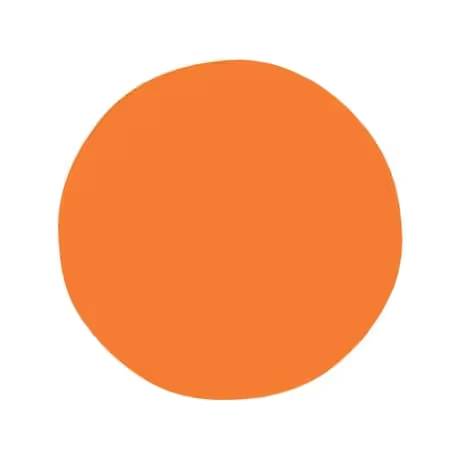
Brown
Meet Brown (#A52A2A), a rich and earthy hue that brings a grounded, organic quality to any design. Its deep, ruddy undertones offer a striking alternative to standard neutrals, providing warmth and substance without overwhelming the visual hierarchy.
What color is Brown?
Brown (#A52A2A) is a warm, tertiary color with prominent red undertones, giving it an earthy yet saturated appearance. It sits visually between a deep sienna and a rich terracotta, avoiding the muted quality of more neutral browns.
Fundamentally a dark shade of orange, its specific character comes from the interplay of red and yellow pigments, darkened with black. This gives the color a grounded feel without sacrificing its inherent warmth and energy.
What is the meaning of the color Brown?
Grounded and solid, Brown is the color of the earth, conveying a sense of stability, resilience, and dependability.
It evokes feelings of warmth and comfort, often associated with natural materials, wholesomeness, and a quiet strength.
How to use Brown (#A52A2A) in UI design?
To effectively work with Brown in UI design, consider its role in your palette. The color #A52A2A can serve as a strong, grounding primary color when balanced with lighter neutrals like cream or beige, creating an organic and sophisticated look. For a more dynamic composition, pair Brown with complementary colors such as cool blues or muted greens. This contrast can produce a visually appealing and balanced interface, often seen in designs aiming for a natural or rustic aesthetic.
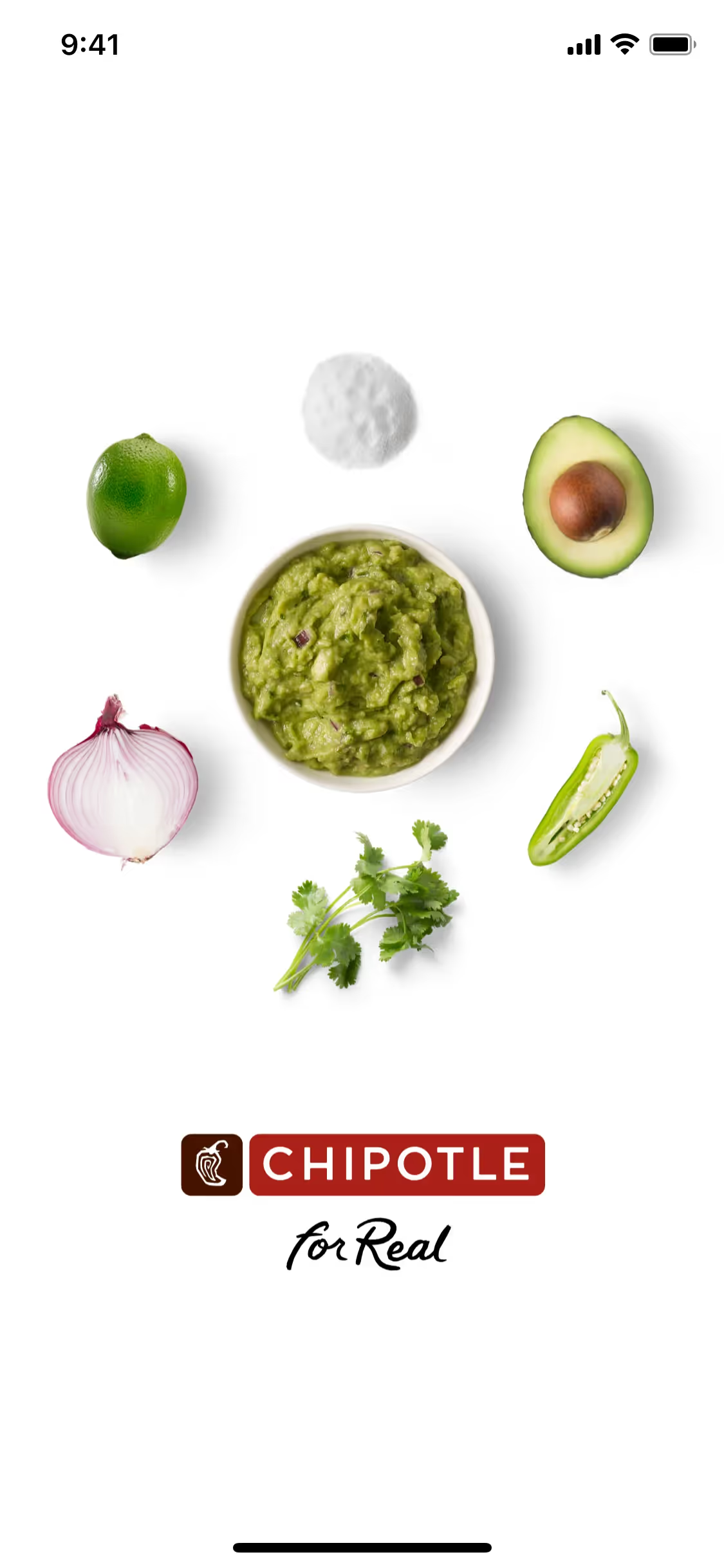
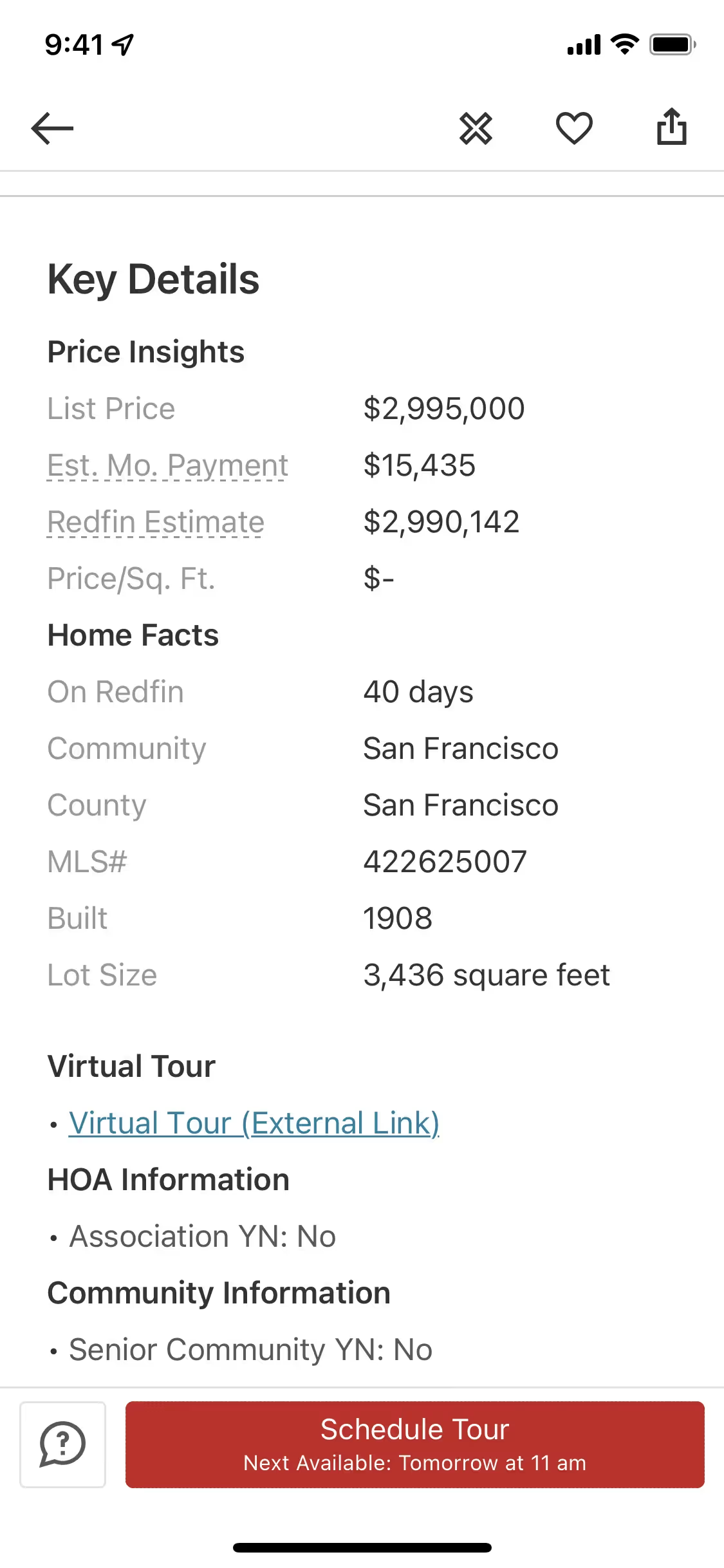
While not as prevalent as blue or black, Brown is a staple for brands that want to project reliability and warmth. Companies like Chipotle and Epicurious use it to evoke natural, earthy qualities, while publications such as The Wall Street Journal and The Athletic employ it to suggest tradition and seriousness. Other notable examples include Redfin and Quora, demonstrating its versatility across different industries.
To see how Brown can fit into your own projects, use the tools below. You can explore curated palettes, check the accessibility of your color combinations, and see #A52A2A applied to real UI components from leading apps.
How do I use Brown color codes?
Using the hex code #A52A2A gives you a specific, rich shade of Brown. Its warm, reddish character can bring a grounded and organic feel to a project without being overpowering.
While hex codes are standard for the web, you will need other formats for different applications. RGB values are used for digital screens by mixing red, green, and blue light. For physical printing, you will rely on CMYK, which combines cyan, magenta, yellow, and black inks. Other models like HSL (Hue, Saturation, Lightness) offer a more intuitive way to modify color.
To simplify your process, we have converted #A52A2A into a variety of common color models. Find the exact values you need for your project below and copy them with a click.
Analogous
Analogous color schemes use hues adjacent to Brown on the color wheel, resulting in a visually cohesive and soothing arrangement for any interface.
Complementary
Complementary colors are found opposite each other on the color wheel. Paired with Brown, these hues create a vibrant, high-contrast combination.
Split Complementary
For a vibrant yet balanced palette, Brown's split complementary scheme pairs it with the two colors adjacent to its direct opposite on the color wheel.
Triadic
Triadic palettes pair Brown with two other hues equidistant on the color wheel, creating a combination that is balanced yet visually striking and multicolored.
Tetradic
A tetradic scheme for Brown involves two pairs of complementary colors, forming a rectangular shape on the color wheel for a balanced, four-color palette.
Square
A square color scheme pairs Brown with three other colors, all equidistant on the color wheel, forming a high-contrast and balanced visual combination.
Text Color
Background Color
Your Catchy Large Text Goes Here
Shades
Shades of Brown result from adding black, creating darker versions that add visual weight.
Tints
Tints are created by adding white to Brown, resulting in lighter, softer variations.
Tones
Tones of Brown are created by adding gray, resulting in more subtle and sophisticated variations.
Hues
Hues are variations of Brown, differing in intensity and temperature to create distinct moods.










Never run out of inspiration again.
Use Mobbin for free as long as you like or get full access with any of our paid plans.