Polo Blue
Meet Polo Blue (#323A43), a deep, near-black shade with a distinct cool undertone. Its richness offers a sophisticated alternative to pure black, providing depth and character without overwhelming the eye. This subtle complexity makes it a compelling choice for modern user interface design.
What color is Polo Blue?
Polo Blue is a profoundly deep, cool-toned shade, sitting somewhere between a dark charcoal and a muted navy.
Its composition gives it a distinct cool temperature, presenting as a complex, near-black shade with a noticeable blue undertone.
What is the meaning of the color Polo Blue (#323A43)?
Polo Blue embodies a sense of stability, trust, and professionalism.
This deep, muted shade suggests sophistication and authority, making it a classic choice for brands that want to communicate integrity and depth.
How can I use Polo Blue in my UI design?
Polo Blue (#323A43) serves as a strong foundation in a 60-30-10 color scheme, offering a stable, professional base that is less stark than pure black. For a clean and sharp interface, pair it with off-whites or light grays to create sufficient contrast. To introduce more personality, use a vibrant accent like a warm ochre or a soft coral for calls-to-action and highlights.
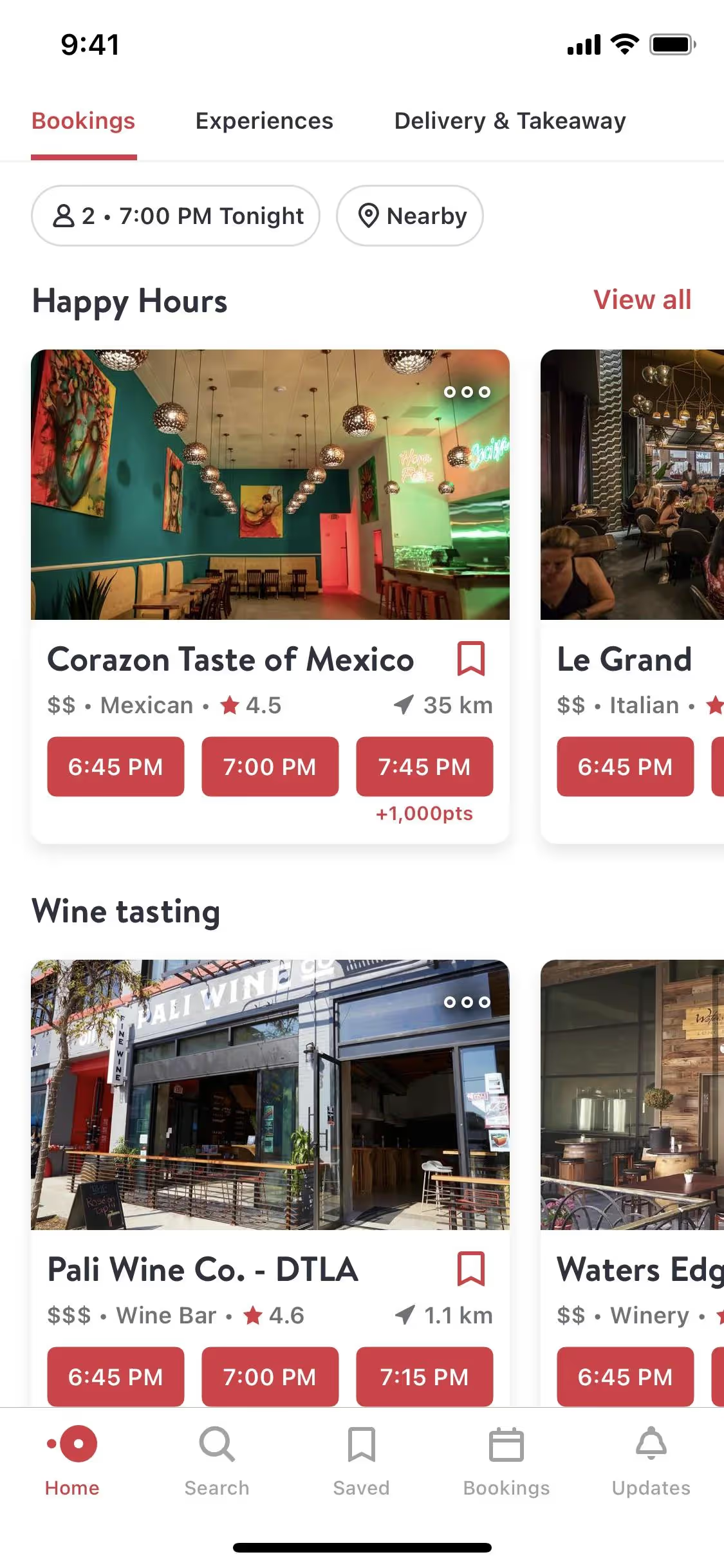
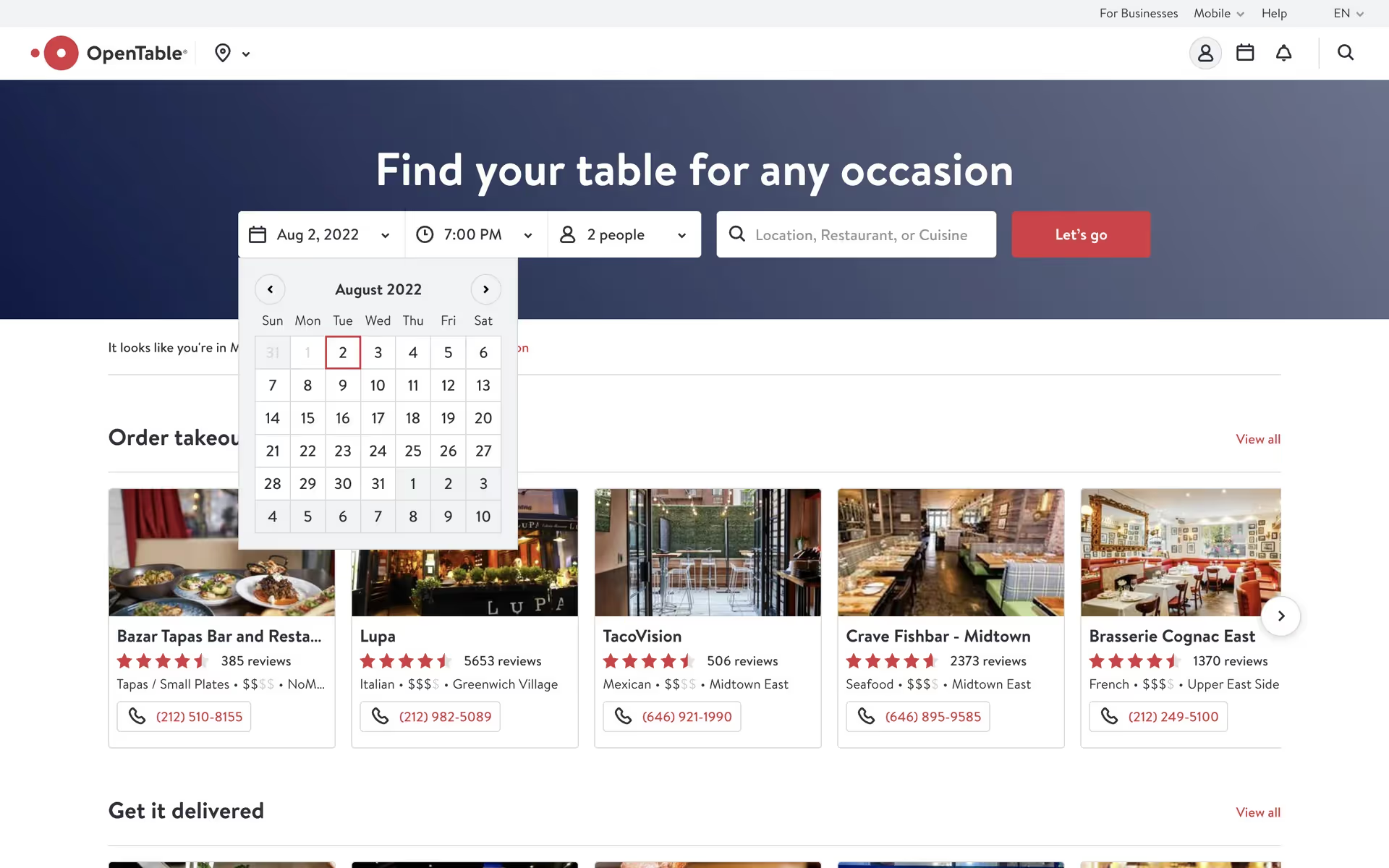
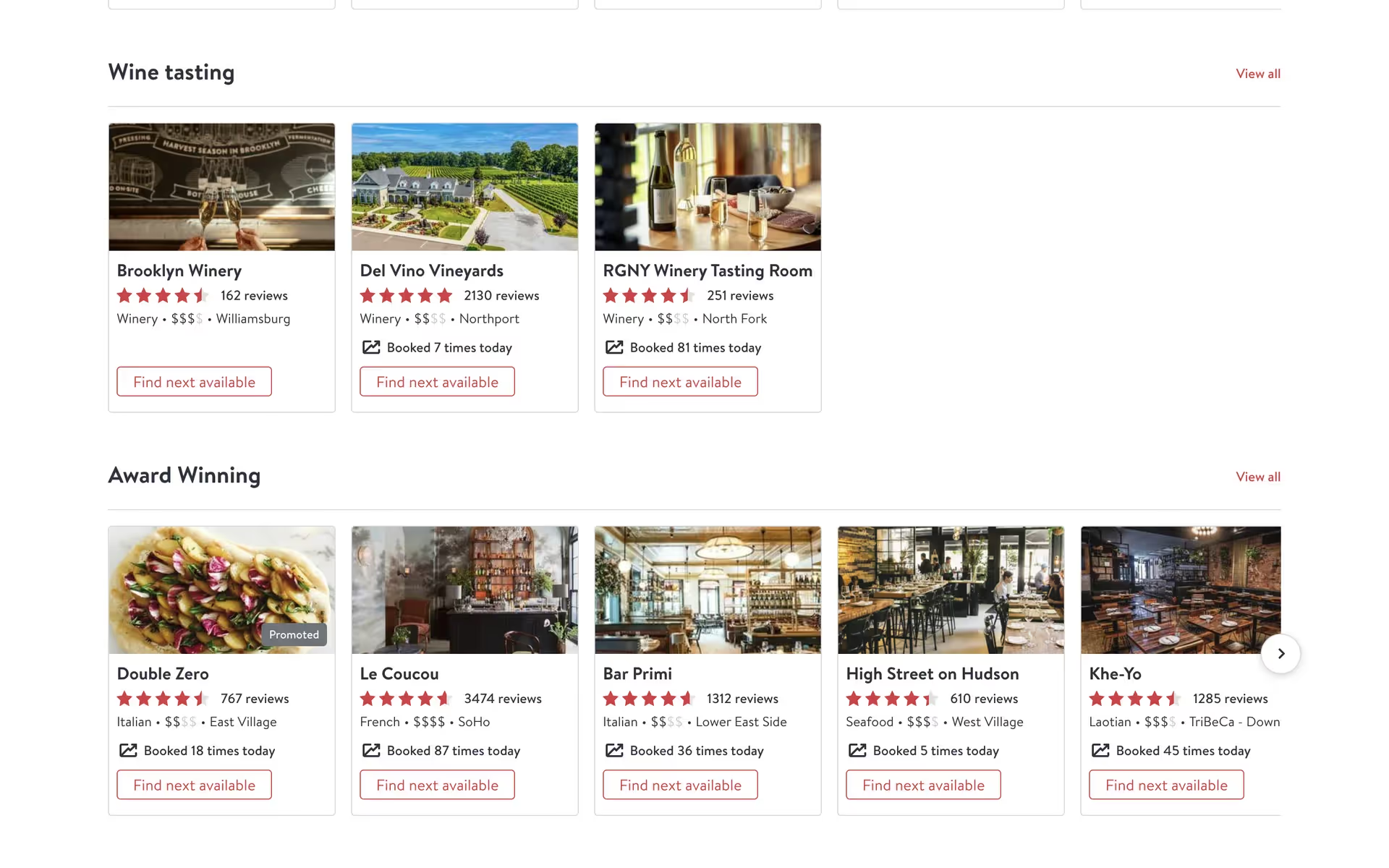
While not a widely used primary brand color, Polo Blue’s character is similar to the sophisticated dark neutrals found in the interfaces of apps like OpenTable, Grab, Uniswap, and MacroFactor. Choosing #323A43 where others might use a simple dark gray can give a product a more distinctive feel without appearing unprofessional.
You can use the tools below to explore curated palettes, test color contrast for accessibility, and preview Polo Blue in real UI components of top brands.
Using Polo Blue color codes
Using Polo Blue in your projects starts with its primary hex code: #323A43. While this is the standard for web design, you will often need to translate it into other formats for different applications.
Each color model serves a specific purpose. For example, the RGB (Red, Green, Blue) values are required for anything displayed on a digital screen, while CMYK (Cyan, Magenta, Yellow, Key/Black) values are necessary for physical print materials. Converting the hex code ensures color consistency across all your media.
To make things easy, we've converted #323A43 into a range of popular formats below. Just find the code you need and copy it directly into your design tool.
Analogous
Analogous colors are neighbors on the color wheel. For Polo Blue, these adjacent hues create a harmonious and tranquil visual experience.
Complementary
Complementary colors are found opposite each other on the color wheel. When paired with Polo Blue, they create a striking, high-contrast visual effect.
Split Complementary
A split complementary scheme for Polo Blue pairs it with the two colors neighboring its complement, creating high contrast with more harmony.
Triadic
Triadic color schemes use three hues equally spaced on the color wheel. With Polo Blue as a base, this creates a vibrant, high-contrast palette.
Tetradic
Tetradic palettes build on Polo Blue (#323A43) by adding three more hues, creating two complementary pairs for a rich, balanced combination.
Square
Forming a square on the color wheel, this scheme combines Polo Blue with three equidistant hues for a palette rich in contrast and variety.
Text Color
Background Color
Your Catchy Large Text Goes Here
Shades
Shades are darker versions of Polo Blue, made by adding black to create depth and weight.
Tints
Tints of Polo Blue are lighter variations made by adding white for a softer effect.
Tones
Adding gray to Polo Blue creates tones, which are softer and have a lower saturation.
Hues
Hues are variations of Polo Blue, differing in intensity or temperature to create distinct moods.





Never run out of inspiration again.
Use Mobbin for free as long as you like or get full access with any of our paid plans.