Pine-N
Meet Pine-N (#476D5B), a deep, muted green that commands attention through its quiet confidence. Its striking quality lies in its desaturated, earthy tone, offering a sophisticated foundation that feels both organic and refined, perfect for interfaces that aim for understated elegance.
What color is Pine-N?
Pine-N is a deep, muted green with a distinctively cool temperature.
It carries strong gray undertones, giving it a sophisticated and earthy character that avoids the vibrancy of warmer greens.
What is the meaning of the color Pine-N (#476D5B)?
Grounded in nature, Pine-N evokes the tranquility and resilience of an ancient forest. It’s a color that suggests stability, balance, and a deep sense of calm.
Symbolically, this shade represents endurance and renewal, bringing a feeling of quiet confidence and security to a design.
How can I use Pine-N (#476D5B) in my UI design?
In UI design, Pine-N (#476D5B) works beautifully as a primary or accent color. For optimal readability, pair it with light neutrals like cream, beige, or soft grays. To build a more complex palette, consider complementary pairings with muted terracotta or split-complementary schemes involving soft pinks and pale yellows. This creates a sophisticated and grounded visual system.
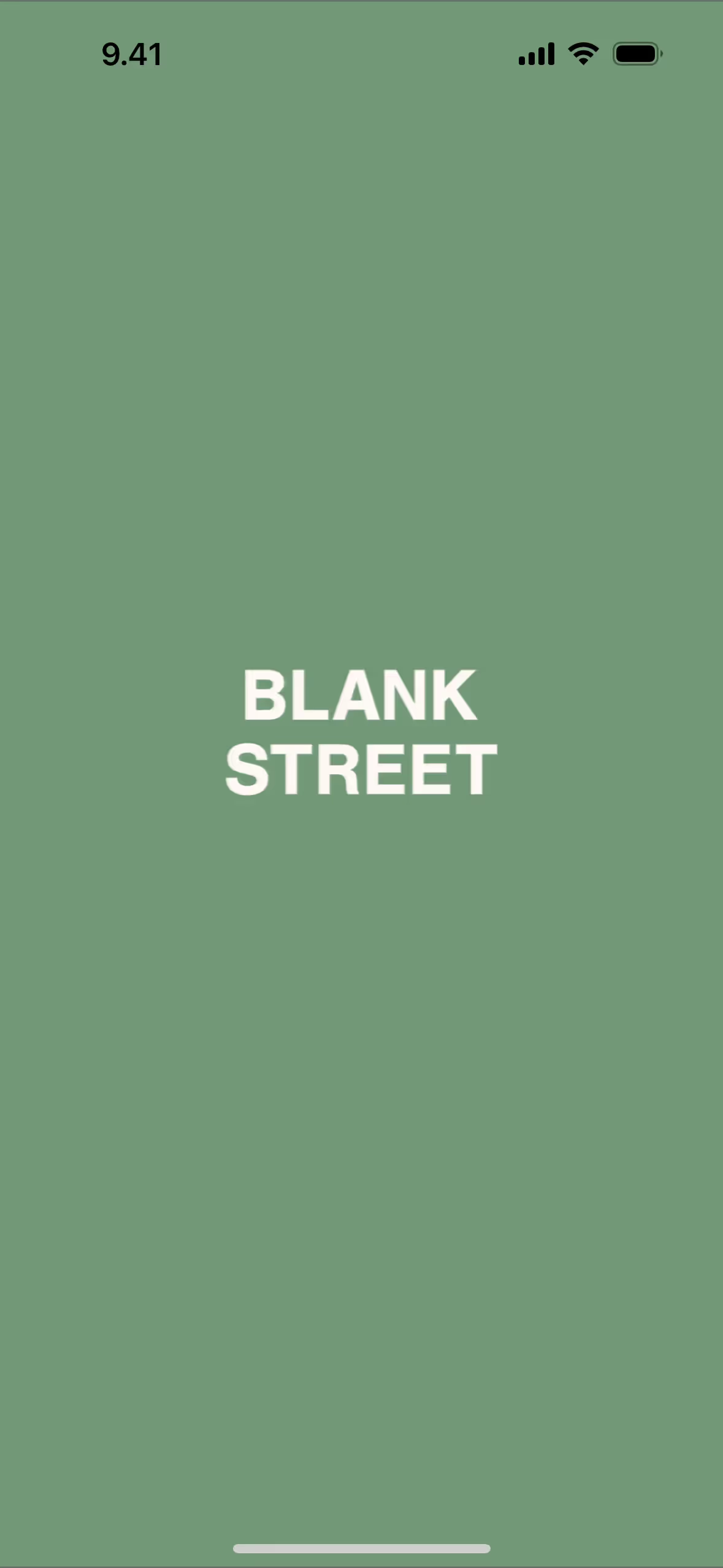
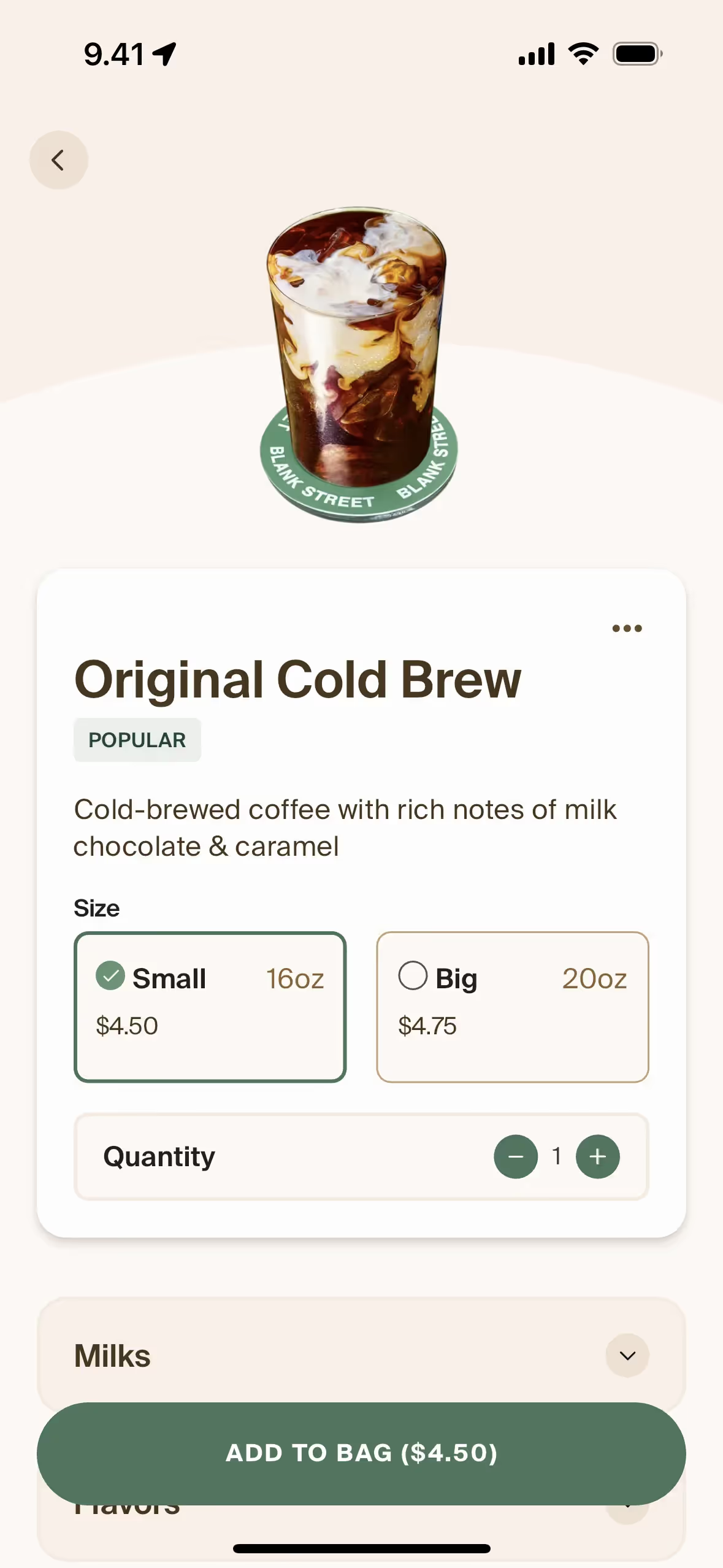
While not widely adopted, its use by brands like Blank Street highlights its appeal. The relative rarity of a deep, organic green like Pine-N can be a strategic advantage, helping a product establish a unique identity that feels both modern and timeless, steering clear of the typical tech color palette.
Use the tools below to see Pine-N in practice. You can explore curated palettes, check color contrast for accessibility compliance, and preview #476D5B in real UI components from top brands.
How do I use the Pine-N color codes?
While the hex code #476D5B is the standard for web development, your design workflow might call for Pine-N in different color models depending on the medium.
For instance, you'll need RGB values for digital screen applications and CMYK for print materials. Models like HSL (Hue, Saturation, Lightness) provide a more intuitive way to adjust color properties for creating palettes.
To simplify your process, we've converted #476D5B into a range of popular formats. You can find and copy the exact codes you need for your project below.
Analogous
By selecting colors adjacent to Pine-N on the color wheel, you can build an analogous palette that feels cohesive and naturally serene.
Complementary
Complementary colors are opposites on the color wheel. When paired with Pine-N, they create a high-contrast, visually striking effect perfect for grabbing attention.
Split Complementary
A split complementary scheme for Pine-N uses the two colors adjacent to its direct complement, offering a vibrant yet balanced high-contrast palette.
Triadic
A triadic scheme uses three hues evenly spaced on the color wheel, creating a vibrant, high-contrast palette with Pine-N as its foundation.
Tetradic
Built from two pairs of complementary colors, tetradic palettes like these use Pine-N as a base to create rich and balanced four-color harmonies.
Square
A square color scheme uses four colors equidistant on the color wheel. Based on Pine-N, this arrangement creates a rich palette full of vibrant contrast.
Text Color
Background Color
Your Catchy Large Text Goes Here
Shades
Shades of Pine-N are created by adding black, giving the color more depth and weight.
Tints
Tints are lighter versions of Pine-N, created by adding white to soften the hue.
Tones
Tones of Pine-N are created by mixing it with gray, resulting in softer, less saturated variations.
Hues
Hues are variations of Pine-N's base color, differing in their intensity and temperature.

Never run out of inspiration again.
Use Mobbin for free as long as you like or get full access with any of our paid plans.