Pastel Orange
Pastel Orange (#FFB347) is a hue that radiates a gentle warmth. Its muted intensity sets it apart, offering a sophisticated alternative to brighter oranges. This color provides a soft, inviting presence that works beautifully in clean, contemporary design systems without demanding all the attention.
What color is Pastel Orange?
Pastel Orange is a soft, warm hue characterized by its high brightness and low saturation. This gives it a gentle, muted quality, much like a pale apricot or the soft glow of a sunset.
It possesses creamy, sometimes peachy, undertones that temper the typical intensity of orange. The result is a color that feels light and airy, offering a cheerful yet sophisticated warmth without being overpowering.
What is the meaning of the color Pastel Orange?
Pastel Orange carries the warmth and energy of its brighter parent but in a softer, more approachable form. It evokes feelings of comfort, gentle optimism, and friendliness, making it a welcoming and positive hue.
Symbolically, this color often represents creativity, youthfulness, and spontaneity. It's a shade that suggests both the sweetness of a creamsicle and the soft glow of a sunrise, inspiring a sense of pleasantness and quiet joy.
How can I use Pastel Orange in UI design?
Pastel Orange works beautifully as an accent color to draw attention without overwhelming the user. For high contrast and readability, pair it with deep navy blues, forest greens, or even a simple off-white. Consider using #FFB347 for key interface elements like buttons, notification badges, or within illustrations to add a touch of warmth and friendliness.
While a true Pastel Orange is not widely adopted in major brand identities, some companies like SideChef and Singapore Airlines incorporate similar warm, golden-orange tones. This relative rarity offers a distinct advantage: using Pastel Orange can help a product stand out with a memorable and approachable visual signature.
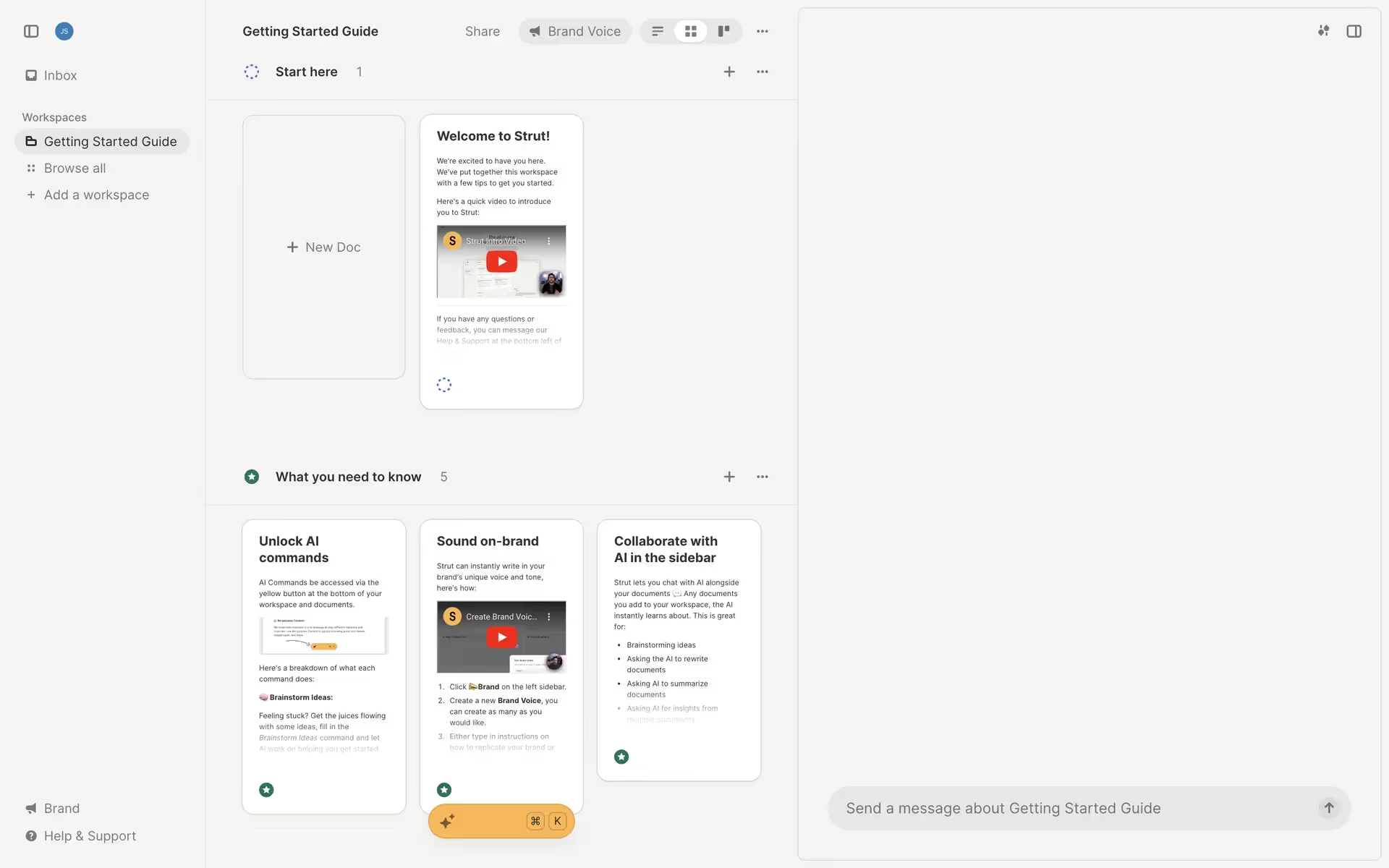
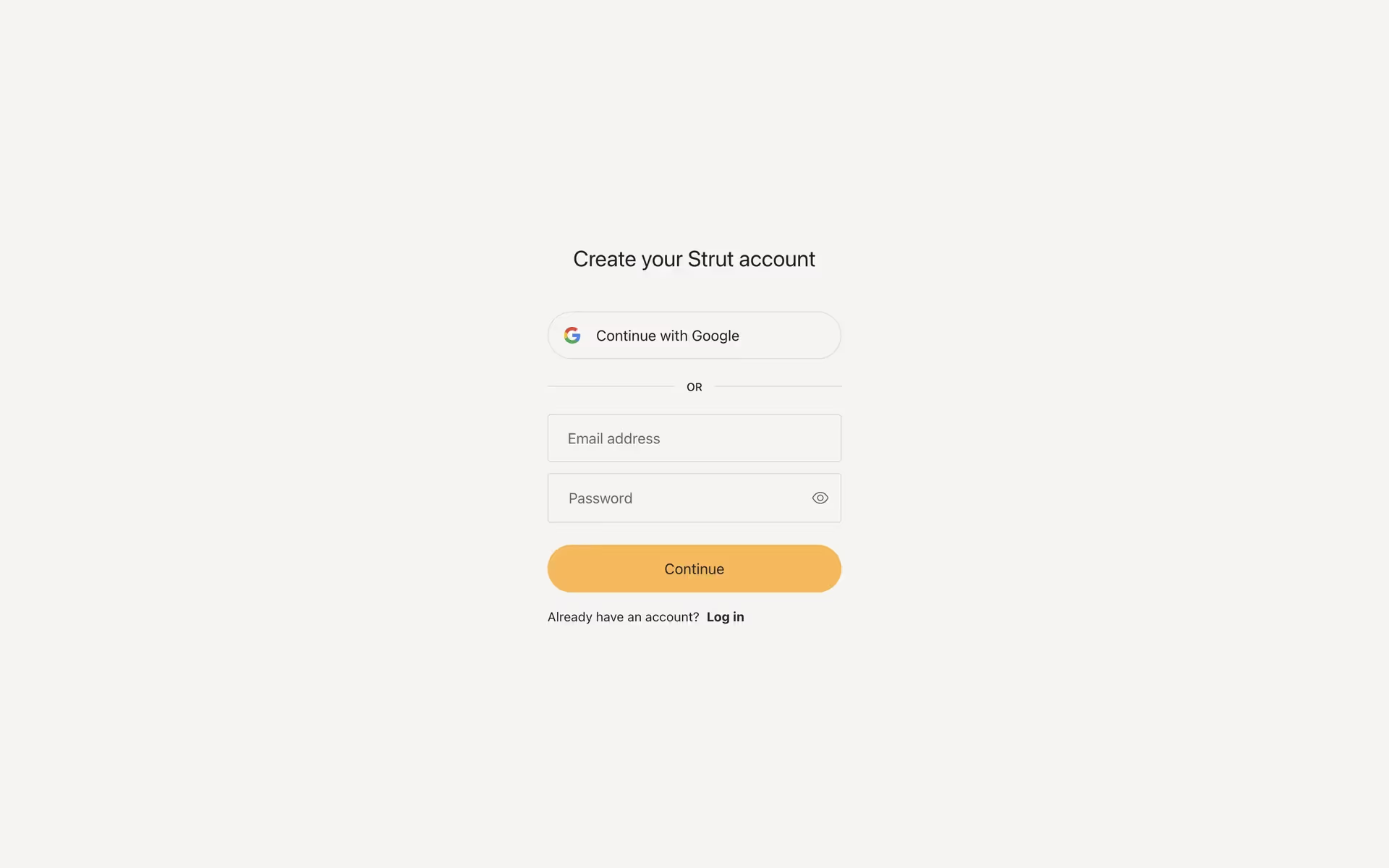
To see how #FFB347 performs in practice, use the tools below. You can explore curated palettes, check color contrast for accessibility compliance, and even preview Pastel Orange applied to UI components from well-known apps.
Using Pastel Orange color codes?
The most direct way to use Pastel Orange in a digital project is with its hex code, #FFB347. Its warm and inviting nature makes it a flexible choice for adding a touch of soft energy without being overpowering.
Beyond the hex code, different projects require different color models. For screen-based work, you'll use its RGB (Red, Green, Blue) values, which define color through light. For print materials, you'll need the CMYK (Cyan, Magenta, Yellow, Key/Black) equivalent, which is based on ink pigments.
To make things simple, we've converted #FFB347 into a full range of popular color codes. You can find them all below, ready to copy and paste into your design tool.
Analogous
Analogous colors are neighbors on the color wheel. For Pastel Orange, this creates a harmonious and serene palette, perfect for cohesive designs.
Complementary
Complementary colors sit opposite each other on the color wheel. For Pastel Orange, its complement creates a striking, high-contrast visual pairing.
Split Complementary
For a high-contrast yet less intense look, a split complementary palette pairs Pastel Orange with the two colors neighboring its direct opposite.
Triadic
A triadic color scheme for Pastel Orange uses two other colors equally spaced on the color wheel, creating a vibrant and high-contrast palette.
Tetradic
Tetradic palettes use two pairs of complementary colors. For Pastel Orange, this creates a vibrant, four-color combination that requires careful balance in design.
Square
The square color scheme pairs Pastel Orange with three other colors, all equidistant on the color wheel, for a balanced yet highly contrasting effect.
Text Color
Background Color
Your Catchy Large Text Goes Here
Shades
Shades of Pastel Orange are created by adding black, which introduces more depth and weight.
Tints
Tints of Pastel Orange are created by adding white, resulting in softer, airier variations.
Tones
Tones of Pastel Orange are created by adding gray, resulting in softer, less saturated variations.
Hues
Hues are variations of Pastel Orange, differing in intensity and temperature to create distinct moods.




Never run out of inspiration again.
Use Mobbin for free as long as you like or get full access with any of our paid plans.