Pastel Green
For designers seeking a gentle yet lively hue, consider Pastel Green (#77DD77). This color's unique character comes from its bright, minty undertone, which gives it a crisp and contemporary feel without the intensity of a pure green. It's a subtle but impactful choice.
What color is Pastel Green?
Pastel Green is a soft, pale shade of green characterized by its high value and low saturation. It sits on the cooler side of the color spectrum, possessing a gentle and airy quality that feels fresh and calming.
The #77DD77 variation is a particularly balanced green, free of strong yellow or blue undertones. This gives it a clean, versatile appearance that harmonizes well with a wide range of palettes without being overpowering.
What is the meaning of the color Pastel Green?
Pastel Green evokes a sense of calm and renewal. Drawing from the psychology of its parent color, it represents growth and harmony, but its muted tone softens these ideas into a gentle feeling of peace and optimism, reminiscent of the first days of spring.
Symbolically, this color often points to new beginnings, health, and a certain innocence. The shade #77DD77 carries a light, airy quality that suggests freshness and vitality without the intensity of brighter greens, making it a go-to for conveying tranquility.
How can I use Pastel Green in my UI design?
Pastel Green works beautifully as a primary background for a clean, organic feel, especially when paired with crisp whites, soft grays, or even darker forest greens for a sophisticated monochromatic look. For a more vibrant palette, consider pairing it with complementary soft pinks or lavenders. When using #77DD77 for interactive elements like buttons, check for sufficient contrast with text for readability.
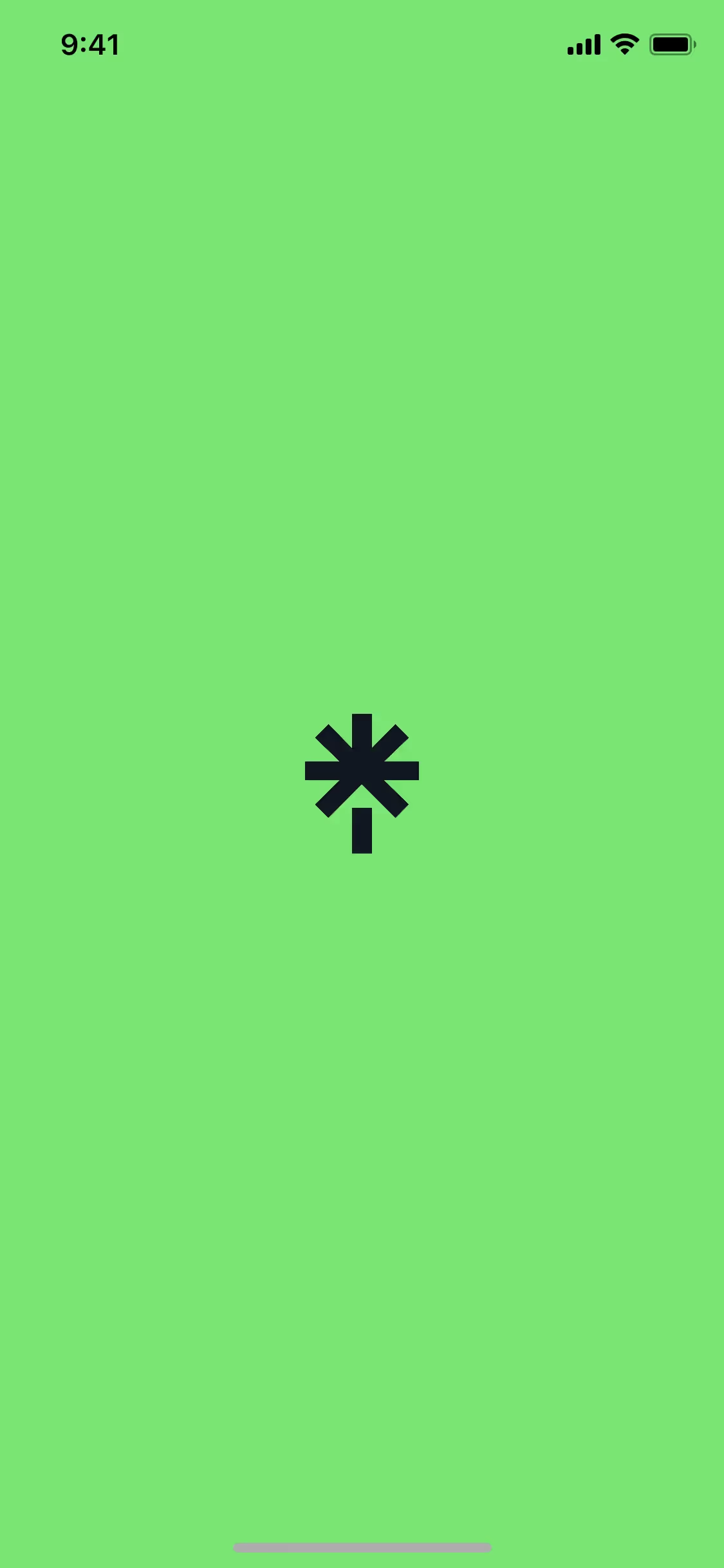
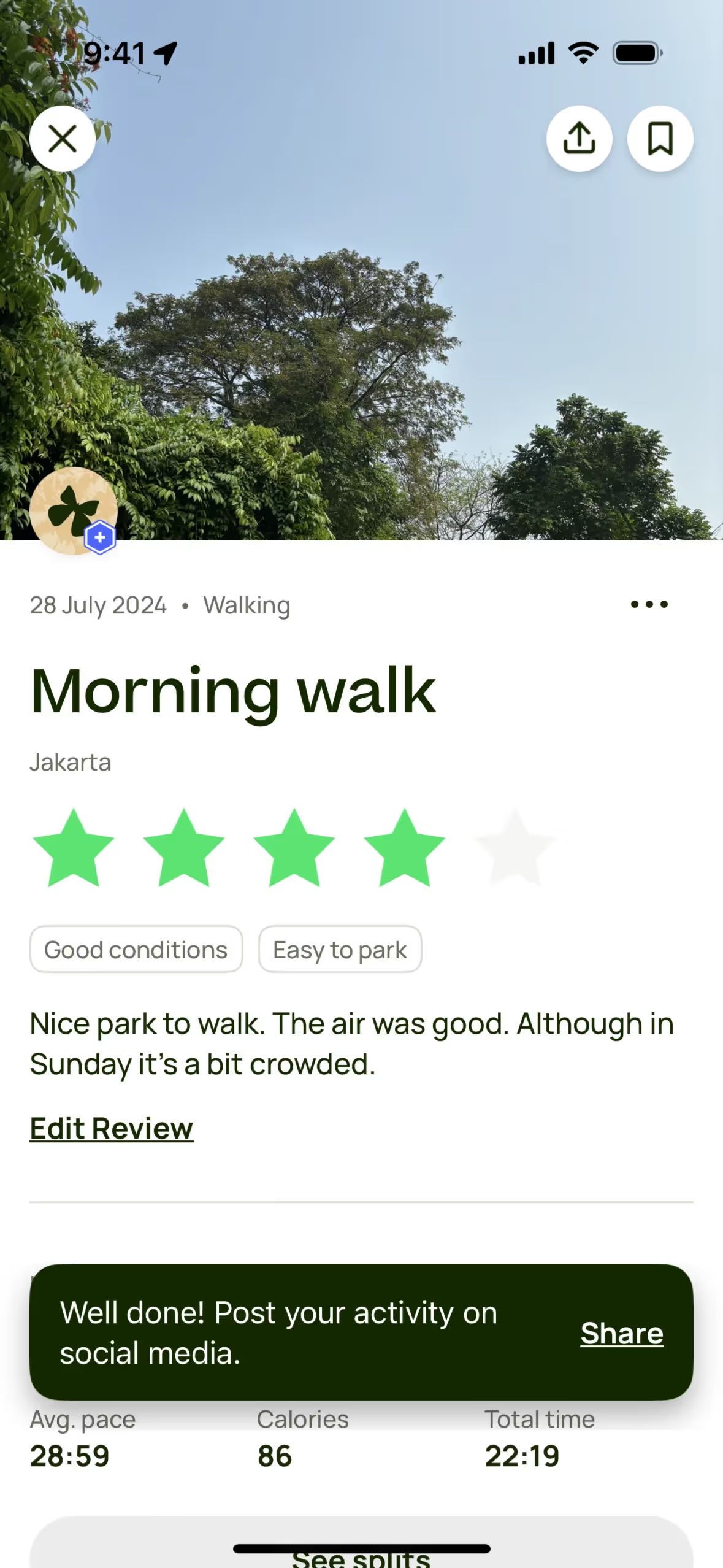
While not as common as blues or grays, Pastel Green is effectively used by brands like AllTrails, Epidemic Sound, Sprout Social, and Linktree. Its relative rarity in branding offers a chance to build a distinct visual identity that feels fresh and approachable.
To see these principles in action, use the tools below. You can explore curated palettes, test color contrast for accessibility, and preview how Pastel Green looks in UI components from top-tier apps.
Using Pastel Green color codes
To apply Pastel Green in your work, you'll typically start with its hexadecimal code, #77DD77. This is the universal language for color on the web, but it's just one of several models you might encounter.
Different projects require different color codes. For digital displays, you'll use RGB (Red, Green, Blue) values, which define color as a mix of light. For print materials, you'll need CMYK (Cyan, Magenta, Yellow, Key/Black) values, which are based on ink. Other models like HSL (Hue, Saturation, Lightness) offer a more intuitive way to make adjustments.
To get you started, we've converted #77DD77 into a full range of popular color formats. Simply find the code you need below and copy it directly into your design tool.
Analogous
Sitting beside Pastel Green on the color wheel, analogous colors produce a unified and tranquil effect, making for a naturally cohesive design scheme.
Complementary
Complementary colors sit opposite each other on the color wheel. For Pastel Green, its complement creates a striking, high-contrast visual pairing.
Split Complementary
A split complementary scheme pairs Pastel Green with the two colors that sit on either side of its direct opposite on the color wheel.
Triadic
Triadic palettes are formed by three colors equidistant on the color wheel. With Pastel Green, this combination produces a balanced yet visually stimulating effect.
Tetradic
For a vibrant combination, a tetradic scheme builds on Pastel Green by adding three more hues, forming two complementary pairs across the color wheel.
Square
A square color scheme uses four colors evenly spaced on the color wheel. This tetradic harmony creates a vibrant, high-contrast palette with Pastel Green.
Text Color
Background Color
Your Catchy Large Text Goes Here
Shades
Shades of Pastel Green are created by adding black, giving the color more depth and weight.
Tints
Tints of Pastel Green are created by adding white, resulting in softer, airier variations.
Tones
Tones of Pastel Green are created by adding gray, resulting in softer, more subdued variations.
Hues
Hues are variations of Pastel Green, differing in intensity or temperature to create distinct moods.








Never run out of inspiration again.
Use Mobbin for free as long as you like or get full access with any of our paid plans.