Flame
Meet Flame (#E25822), a vibrant orange-red that burns with intensity. This striking hue sits confidently between red and orange, offering a powerful visual punch without the full aggression of primary red. Its inherent warmth and saturation make it a compelling choice for drawing immediate attention.
What color is Flame?
Flame is a vivid, warm orange-red that sits confidently between true red and bright orange.
It carries rich, earthy undertones reminiscent of terracotta, giving it a grounded yet energetic character.
What is the meaning of the color Flame (#E25822)?
Flame, a potent mix of red's energy and yellow's optimism, radiates warmth and excitement. It's a color that commands attention, sparking feelings of enthusiasm and creative impulse.
Symbolically, Flame carries a dual meaning. It represents the intense passion and transformative power of fire, but can also serve as a signal for alert or importance, making it a compelling choice in visual communication.
How can I use Flame (#E25822) in my UI design?
In UI design, Flame (#E25822) is a powerful choice for an accent color, perfect for guiding attention to buttons, toggles, or important alerts. To create a sharp, modern look, pair it with deep blues or charcoals. For a warmer, more organic feel, combine it with earthy neutrals like cream, tan, or muted olive green.
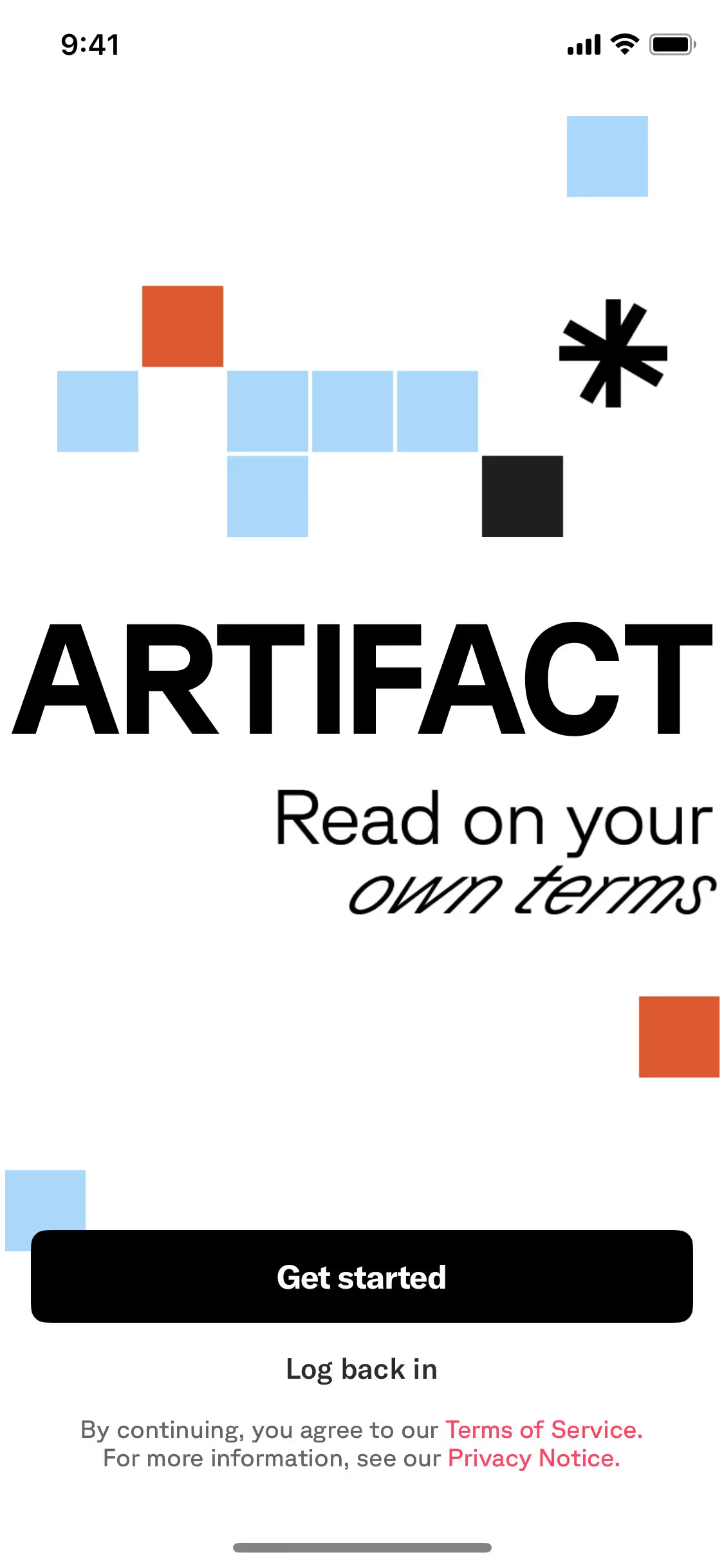
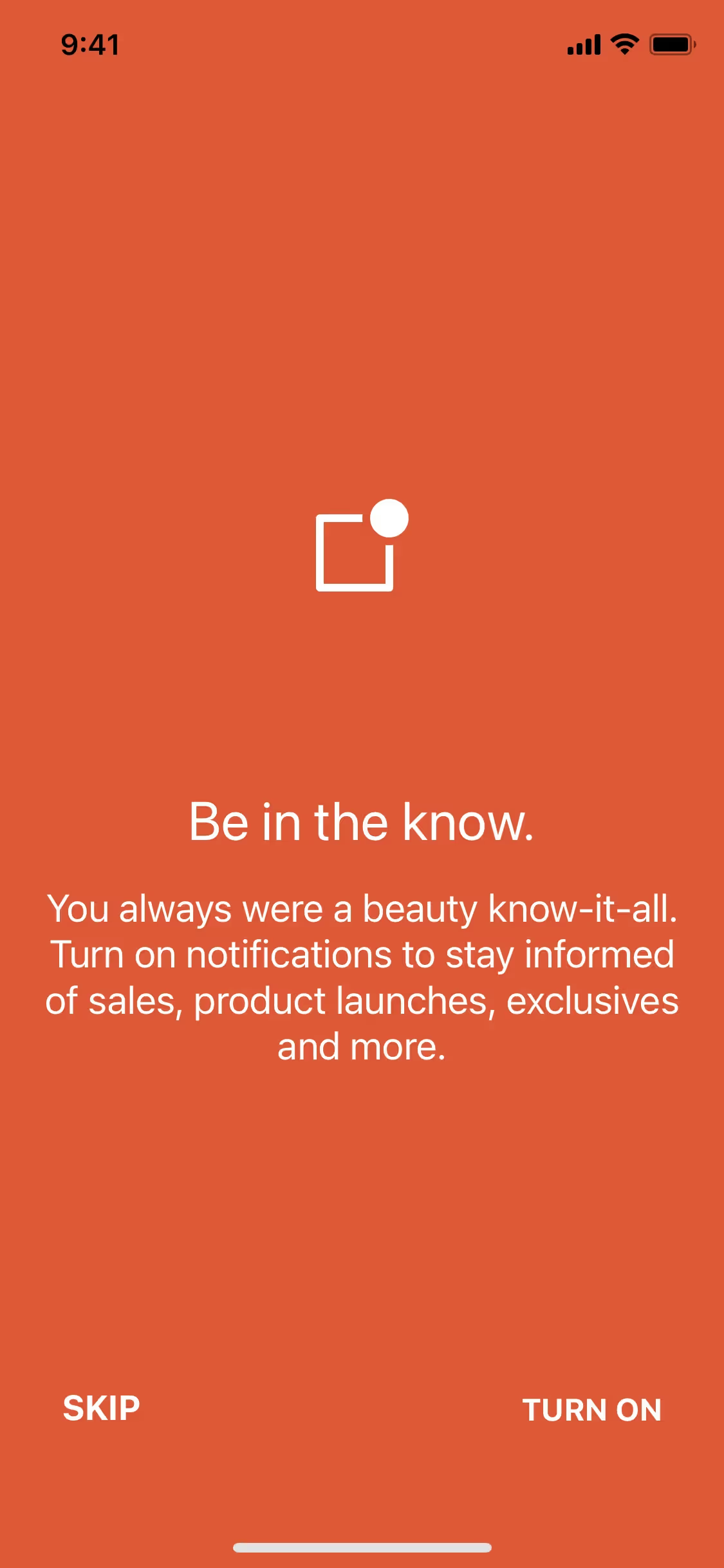
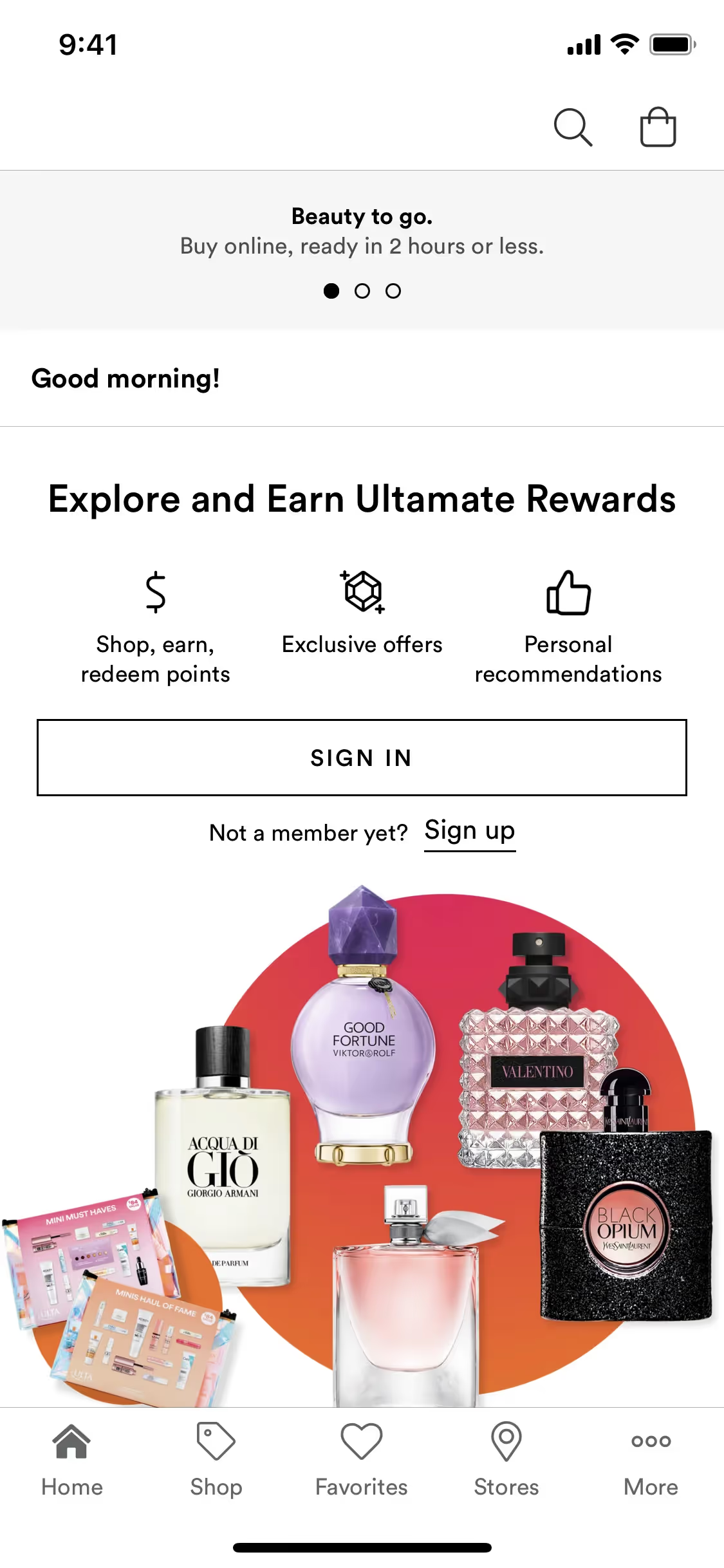
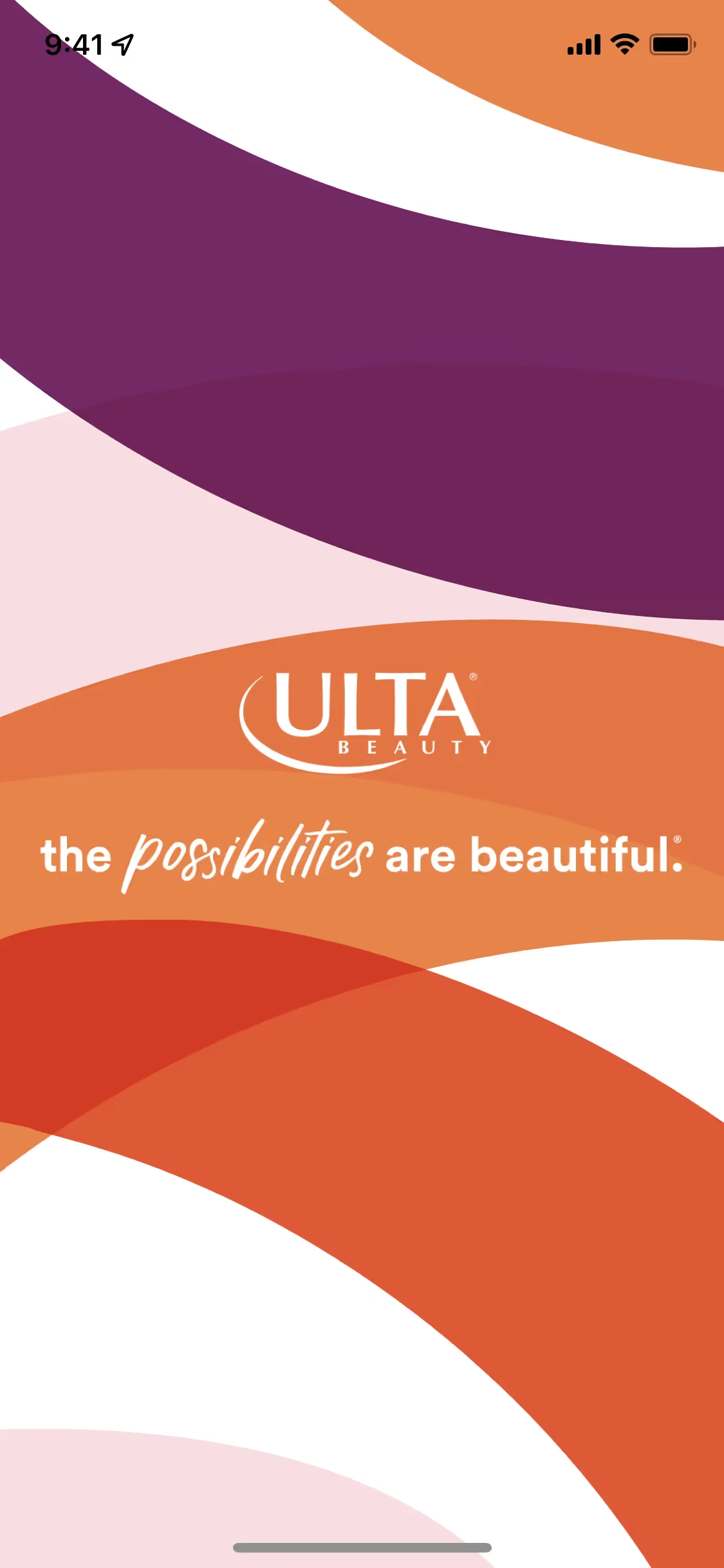
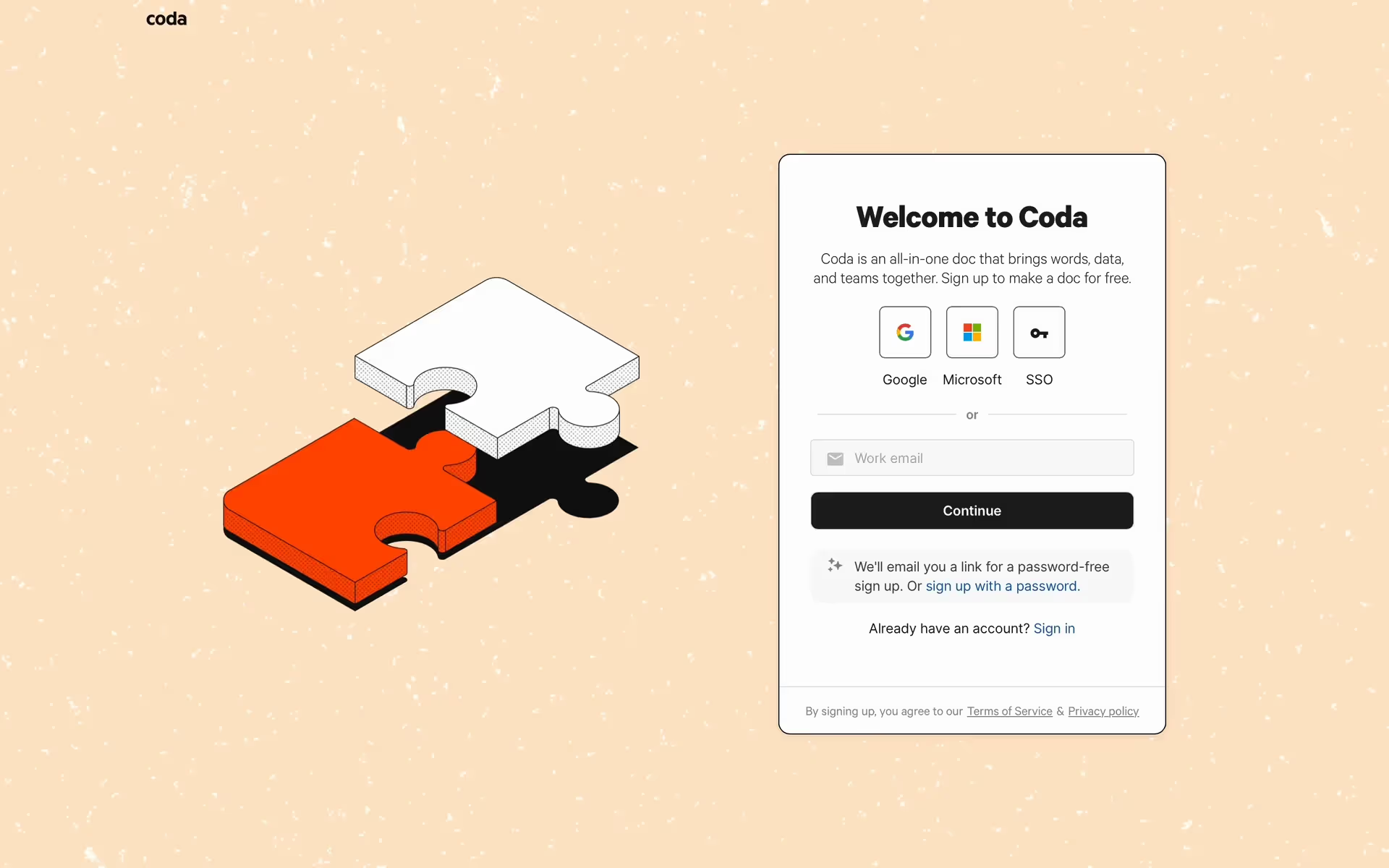
Brands like Coda, Udemy, and Ulta Beauty use a similar vibrant orange to project energy and forward-thinking. Its application in products from Artifact, Any Distance, and Whop also demonstrates its effectiveness in building a distinct and confident visual identity.
Explore how Flame works in a real-world design context with the tools on this page. You can find curated color palettes, test contrast for accessibility, and preview #E25822 on UI components from leading apps.
Using Flame color codes
Using the color Flame in your work starts with its hex code, #E25822. This code is standard for web design, but you'll often need to translate it into other formats depending on your project's requirements, whether for print, digital displays, or specific design software.
Each color model serves a different purpose. RGB codes define colors for screens by mixing red, green, and blue light, while CMYK is essential for print, specifying cyan, magenta, yellow, and black ink levels. Other systems like HSL (Hue, Saturation, Lightness) offer more intuitive ways to adjust color properties. Converting #E25822 into these different codes—including LAB, LCH, and XYZ—ensures color consistency across all your materials.
To help you get started, we've converted Flame's hex code #E25822 into a variety of popular color models. You can find these values below, ready to copy and paste directly into your design tools.
Analogous
Analogous schemes pair colors next to each other on the color wheel. Using Flame as the base, these combinations produce a calm and cohesive visual experience.
Complementary
Complementary colors are opposites on the color wheel. When paired with Flame, its complement creates a high-contrast, visually striking combination for your designs.
Split Complementary
For a more nuanced high-contrast look, a split complementary palette pairs Flame with the two colors neighboring its direct opposite on the wheel.
Triadic
A triadic combination pairs Flame with two other colors, each equidistant on the color wheel, for a high-contrast yet harmonious visual effect.
Tetradic
Tetradic schemes pair Flame with three other colors, forming a rectangle on the color wheel for a rich, balanced, and vibrant palette.
Square
A square color scheme pairs Flame with three other colors, all equidistant on the color wheel. This arrangement creates a vibrant, high-contrast palette.
Text Color
Background Color
Your Catchy Large Text Goes Here
Shades
By adding black to Flame, you create shades—darker tones that add visual weight.
Tints
By adding white to Flame, you create tints—softer, more delicate variations of the color.
Tones
Tones of Flame are created by adding gray, resulting in softer, less saturated variations.
Hues
Hues are variations of Flame, differing in intensity or temperature to create distinct moods.






Never run out of inspiration again.
Use Mobbin for free as long as you like or get full access with any of our paid plans.