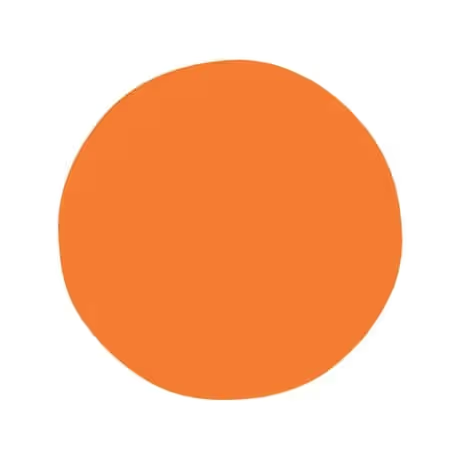
Burgundy
Meet Burgundy (#800020), a deep, rich red with a touch of purple. Its profound depth gives it a sophisticated and commanding presence, making it a standout choice for interfaces that require a sense of gravity and elegance without being overly bright.
What color is Burgundy?
Burgundy is a deep, dark red with a hint of purple, reminiscent of the wine from its namesake region in France.
It's a warm color, but its purplish undertones give it a cooler, more complex character than a true red. As a shade, it's created by mixing red with black, resulting in a color that feels both substantial and sophisticated.
What is the meaning behind the color Burgundy (#800020)?
Burgundy, the color #800020, is a shade of quiet confidence and refined power. It represents ambition and wealth, not with loud assertion, but with an air of established sophistication and seriousness.
Drawing its name from the famous French wine region, the color evokes feelings of luxury, maturity, and high quality, much like a vintage bottle of wine.
How can I effectively use Burgundy in UI design?
In UI and web design, Burgundy (#800020) often works best as a powerful accent. Its depth can draw focus to calls-to-action, active states, or key branding elements. For a sophisticated and clean interface, pair it with neutrals like cream, beige, or light gray. To create a more dynamic and memorable composition, consider contrasting it with complementary colors like a muted teal or a rich, golden yellow.
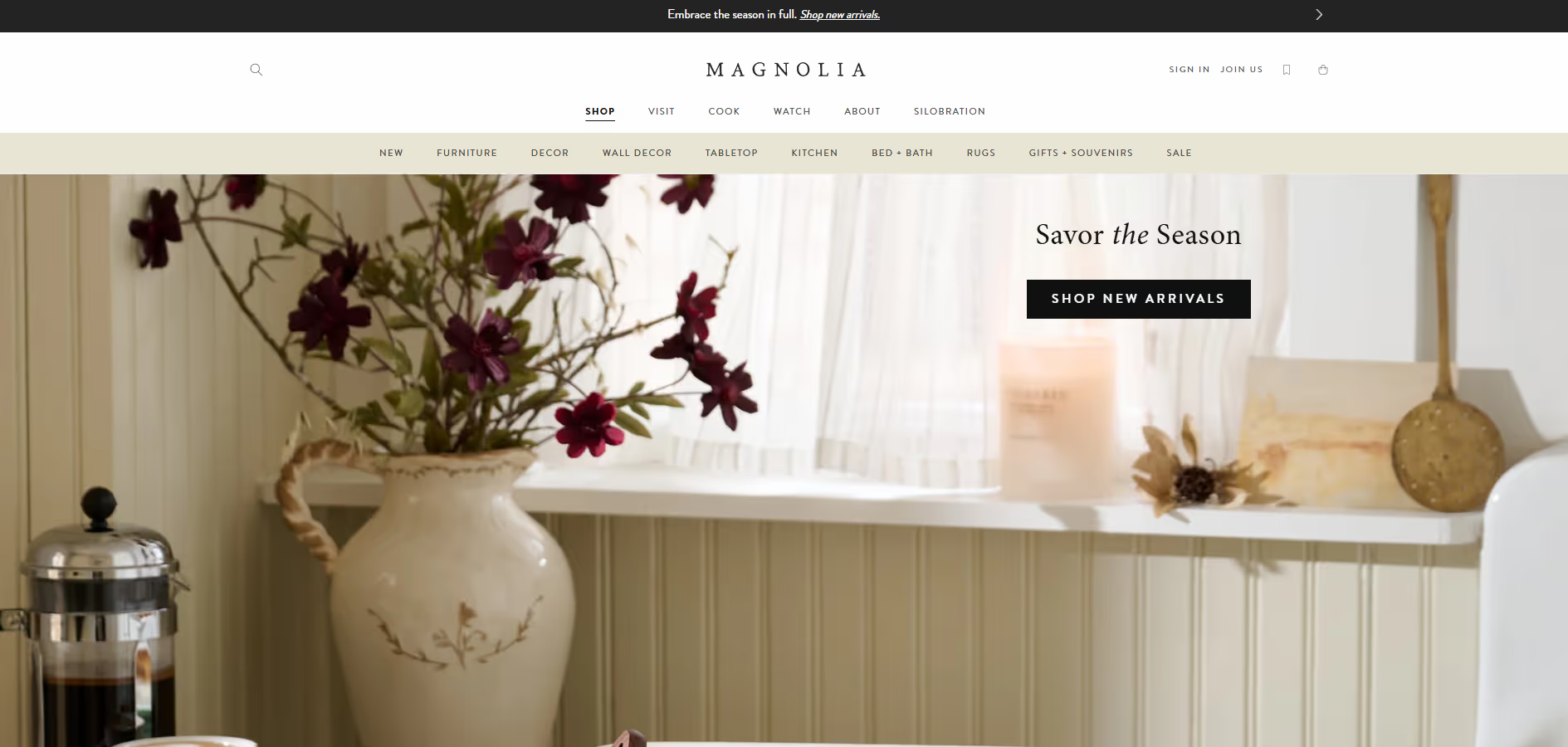
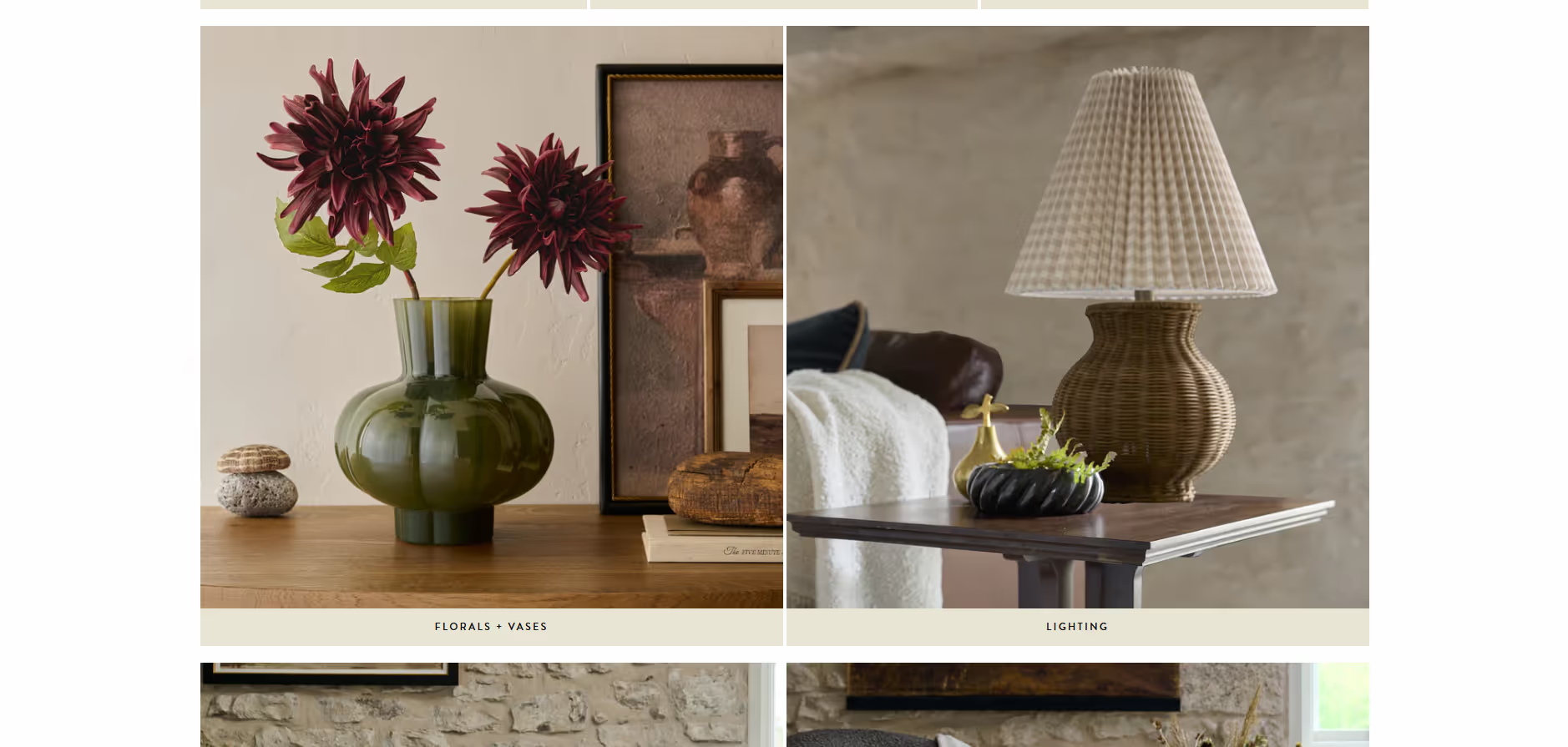
While few major brands use a true Burgundy as their primary color, companies like Magnolia Market employ similar deep reds to project warmth and quality. Its relative rarity in digital products offers an opportunity for a brand to stand out and create a distinct visual identity.
Use the tools below to explore curated palettes, test color contrast for accessibility, and preview Burgundy in real UI components from top brands.
How do I use Burgundy color codes?
Working with the color Burgundy in your projects often begins with its hex code, #800020. This code is the standard for web applications, but its rich, deep tone requires thoughtful application to maintain its sophisticated feel without overwhelming a design.
Different mediums call for different color models. While a HEX code is perfect for CSS, you’ll need RGB (Red, Green, Blue) values for digital displays and CMYK (Cyan, Magenta, Yellow, Key) for print materials. Other codes like HSL (Hue, Saturation, Lightness) offer a more intuitive way for designers to make adjustments. Each system translates the visual properties of Burgundy for a specific context, from screen to paper.
To make things easy, we've converted Burgundy's #800020 hex code into a variety of popular formats. You can find and copy the exact values you need for your project below.
Analogous
Analogous colors are found next to Burgundy on the color wheel. This combination creates a rich, harmonious palette that feels cohesive and serene.
Complementary
Complementary colors sit directly opposite each other on the color wheel. When paired with Burgundy, its complement creates a striking visual with high contrast.
Split Complementary
Split complementary colors offer a more nuanced alternative to a direct complementary scheme. They pair Burgundy with the two colors adjacent to its opposite.
Triadic
Triadic color schemes use three hues equally spaced on the color wheel. For Burgundy, this creates a vibrant, high-contrast, and balanced palette.
Tetradic
A tetradic scheme for Burgundy creates a rich palette by using two pairs of complementary colors, which form a rectangle on the color wheel.
Square
A square color scheme pairs Burgundy with three other equidistant colors on the color wheel, creating a vibrant palette with strong, balanced contrast.
Text Color
Background Color
Your Catchy Large Text Goes Here
Shades
Shades are darker versions of Burgundy, made by adding black for a heavier, deeper feel.
Tints
Tints of Burgundy are created by adding white, resulting in lighter, softer variations.
Tones
Adding gray to Burgundy creates tones, resulting in softer, less saturated variations.
Hues
Hues are variations of Burgundy, differing in intensity or temperature to create distinct moods.

Never run out of inspiration again.
Use Mobbin for free as long as you like or get full access with any of our paid plans.